Brochure Design Dubai. Print Quality That Converts, Every Format, Every Delivery
Pre-press ready files · Parallel language design · Print & digital formats
-
300 DPIPrint-Size Images
-
Print + DigitalBoth Formats Covered
-
3mmBleed on Every File
-
Pre-Press ReadyEvery File, Every Time
-
Profiles to CataloguesFull Scope, One Agency
Our Portfolio
Brochure Design Work for Dubai and UAE Businesses
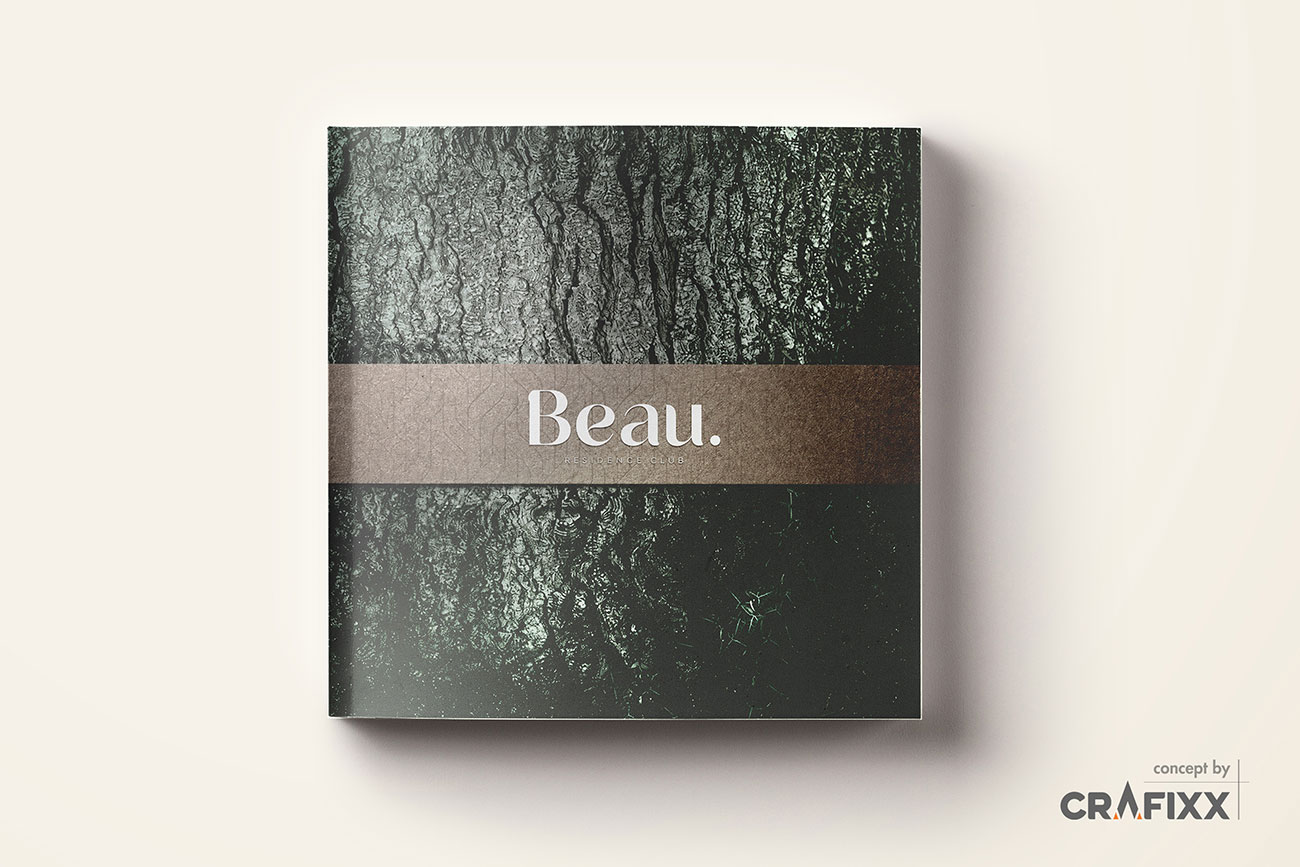
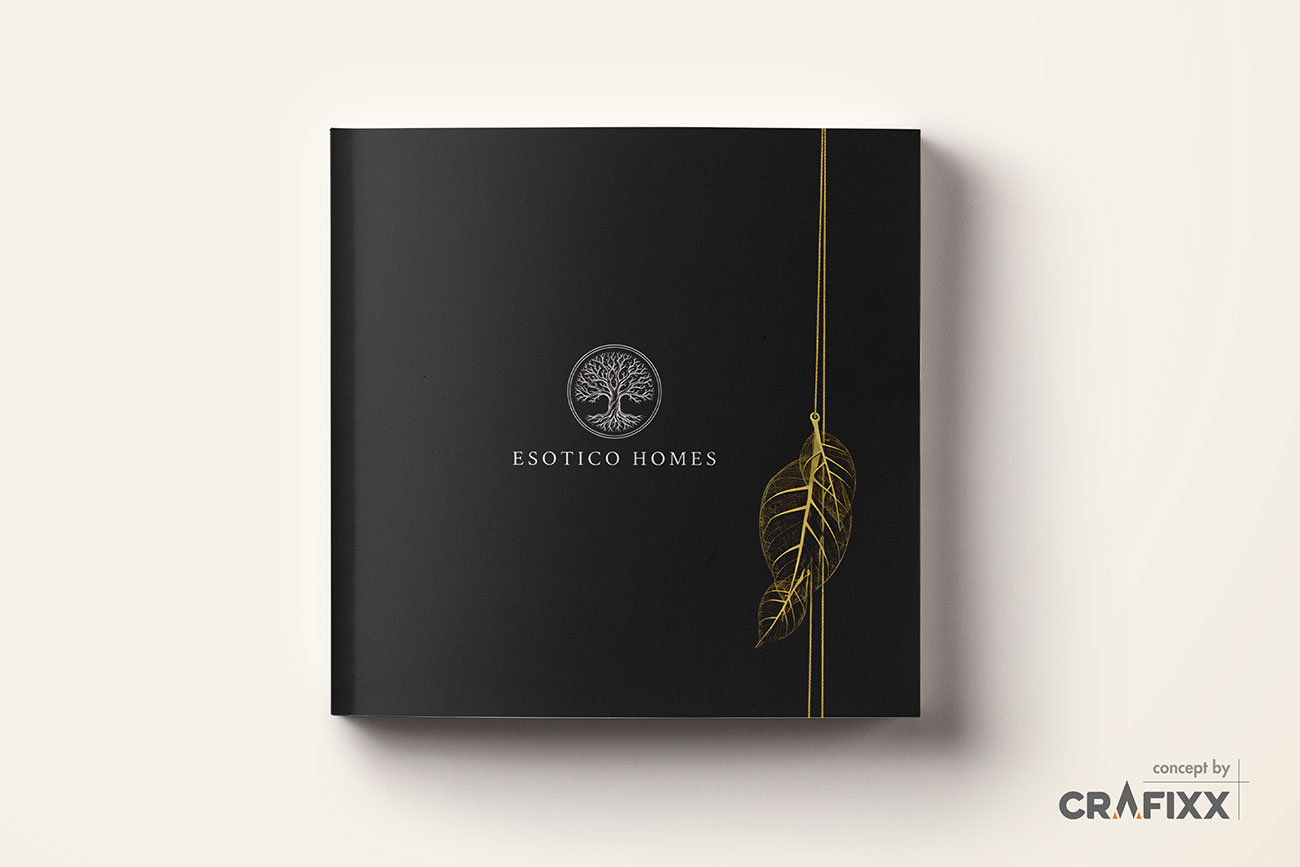
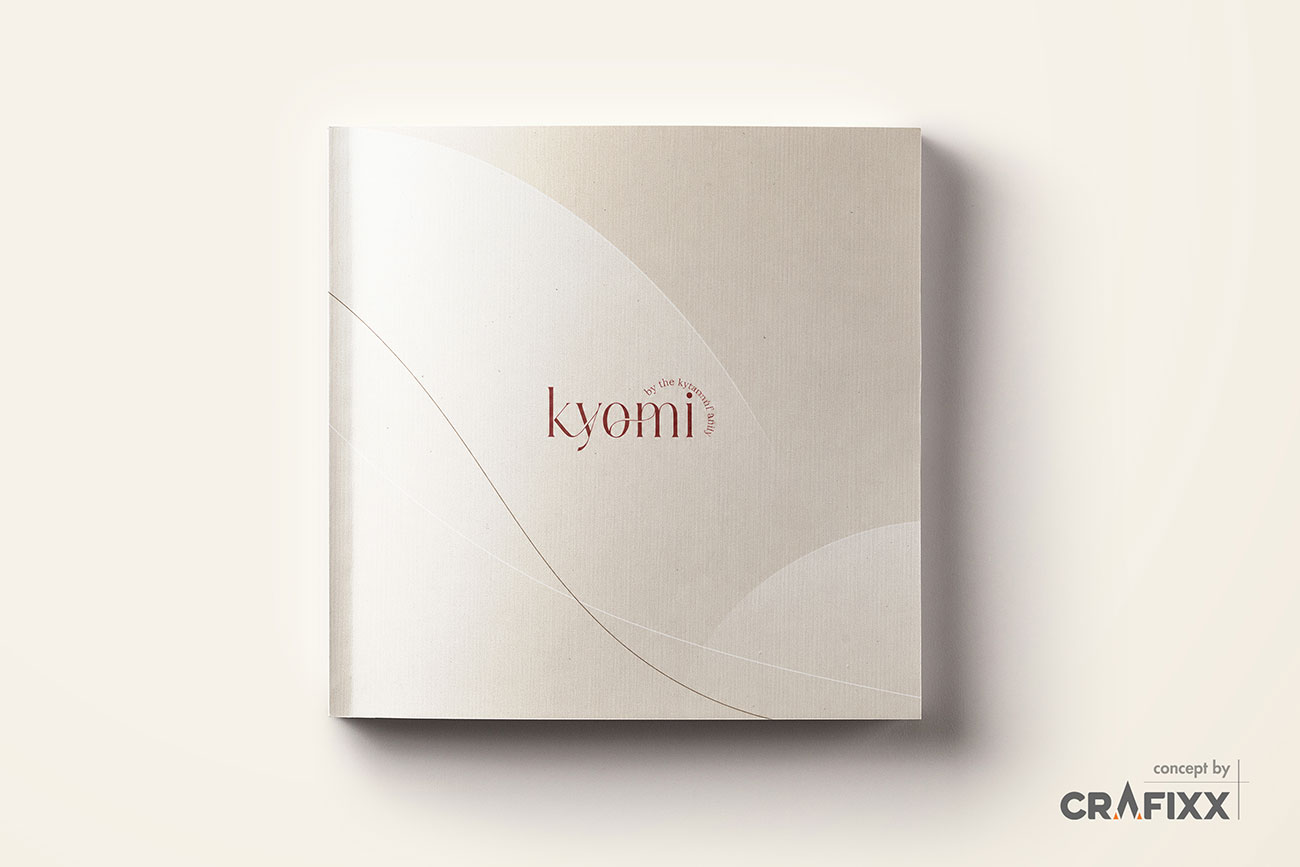
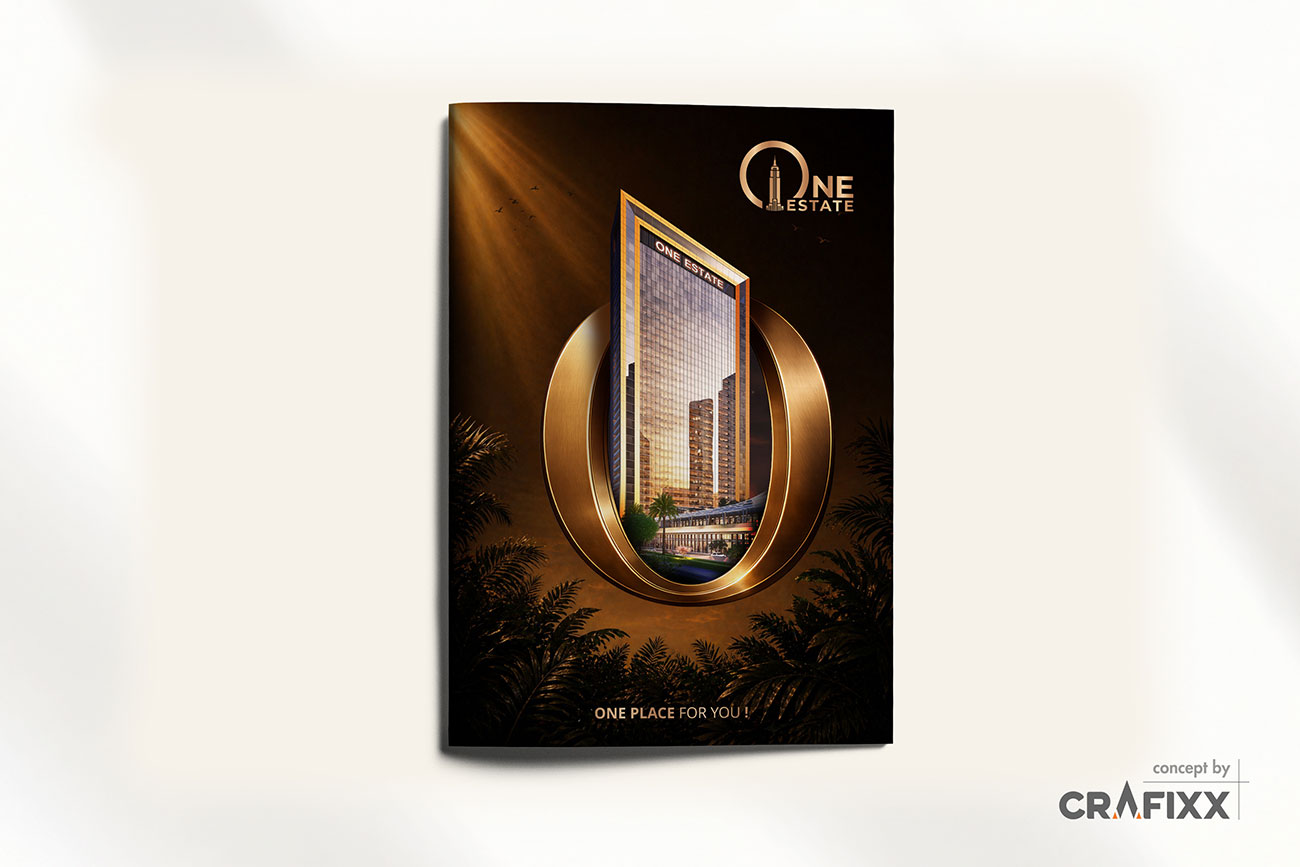
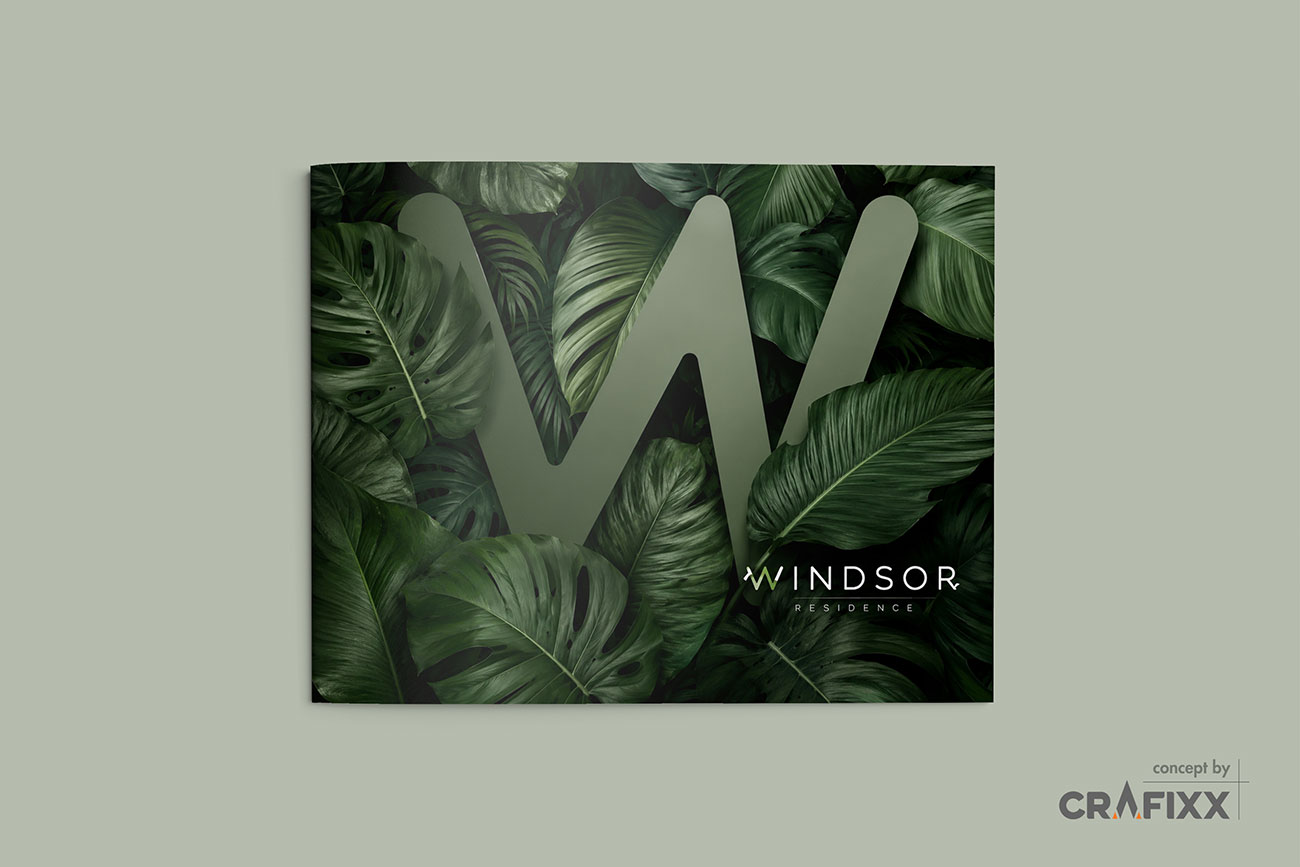
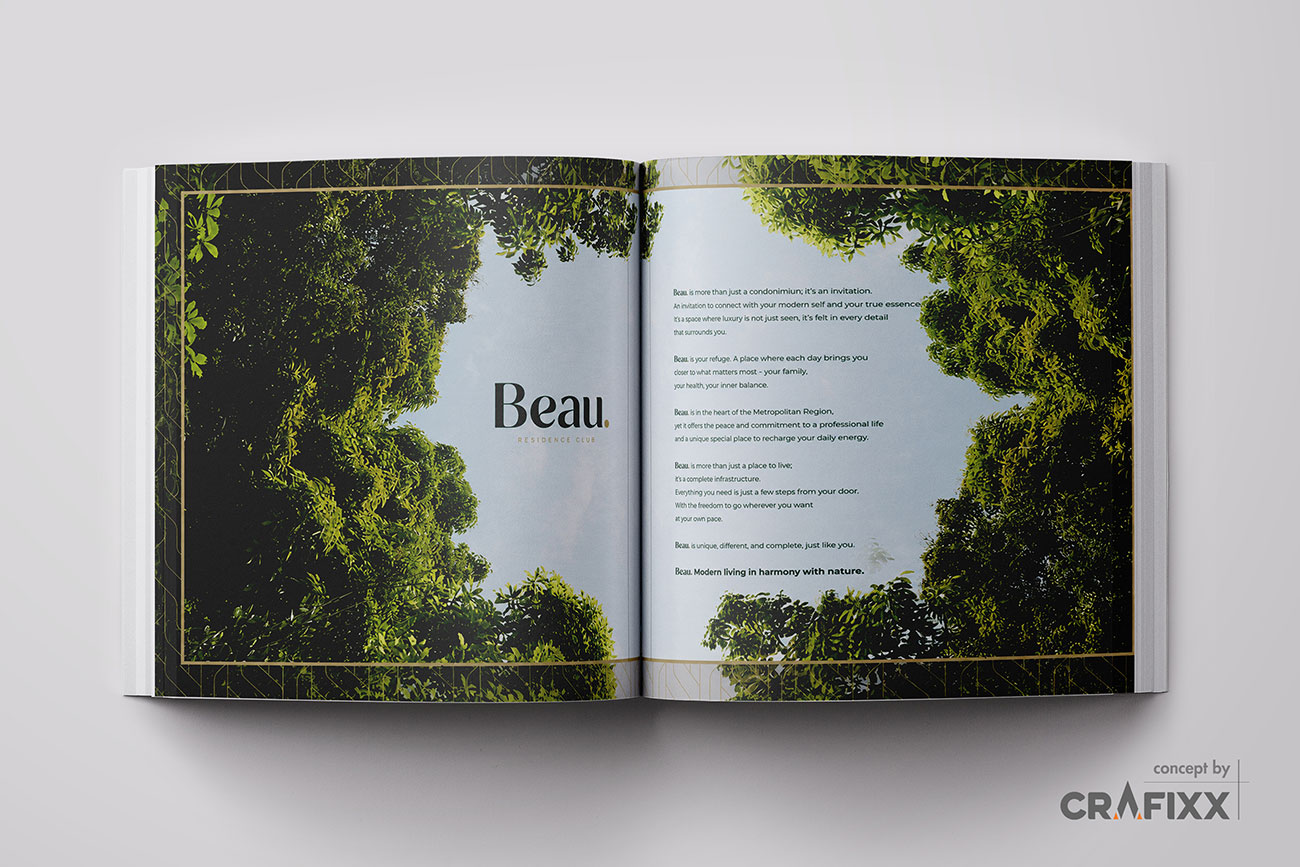
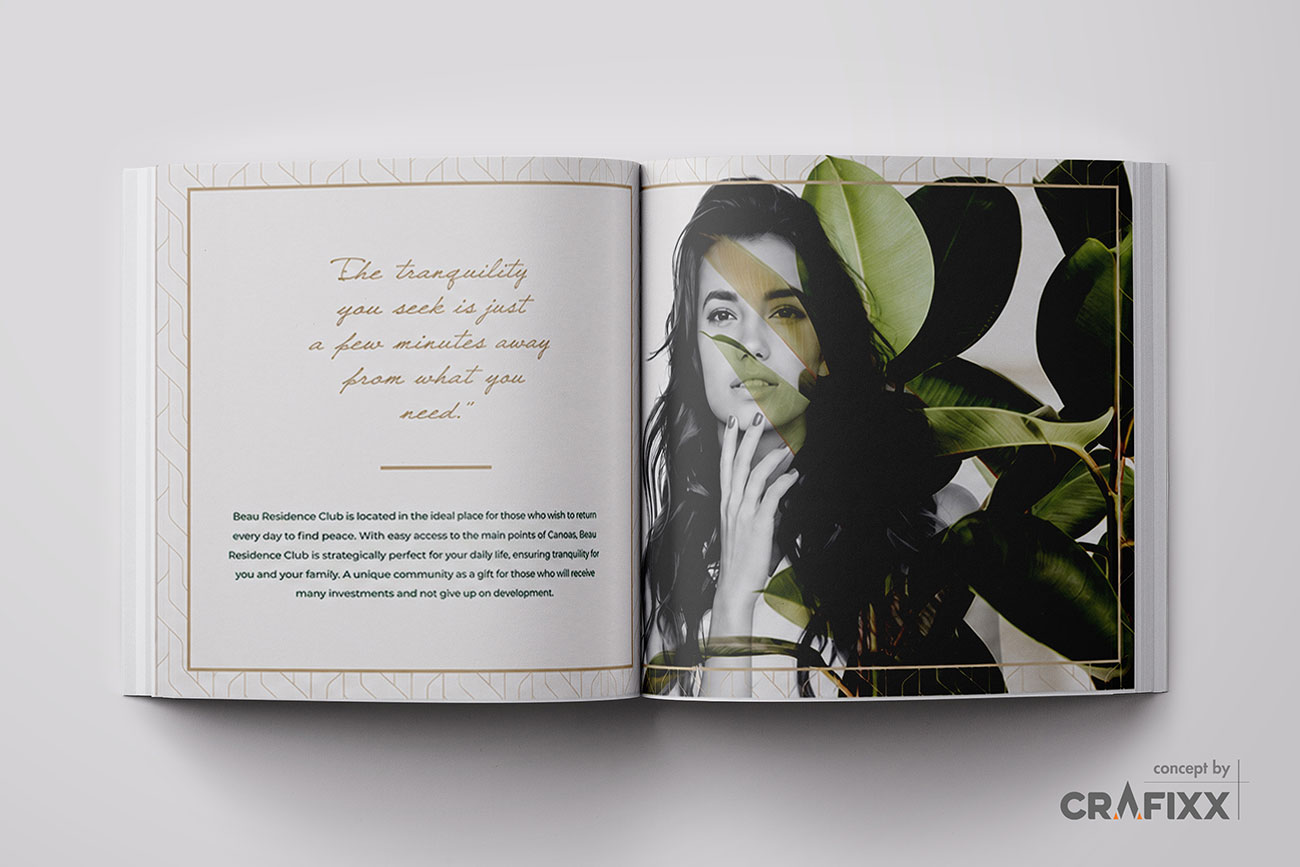
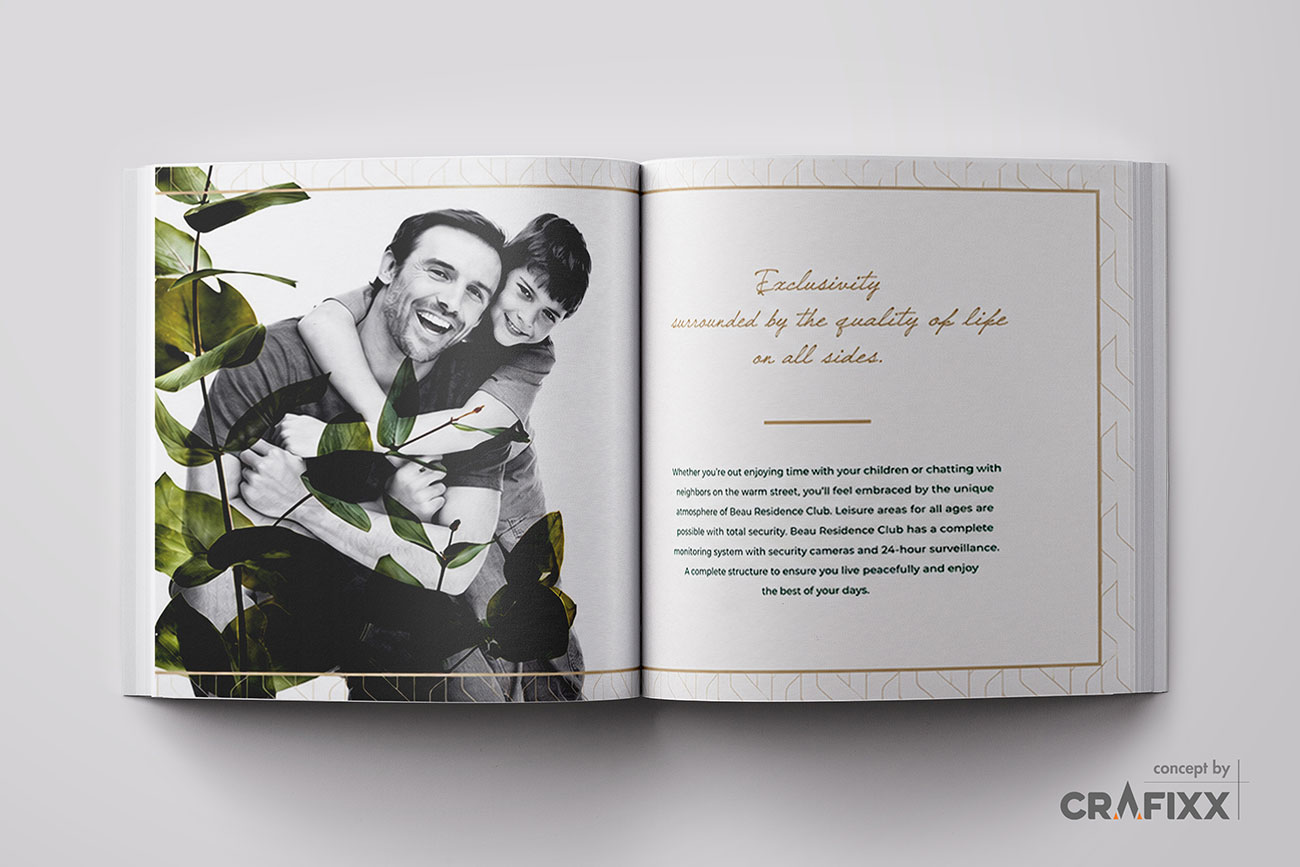
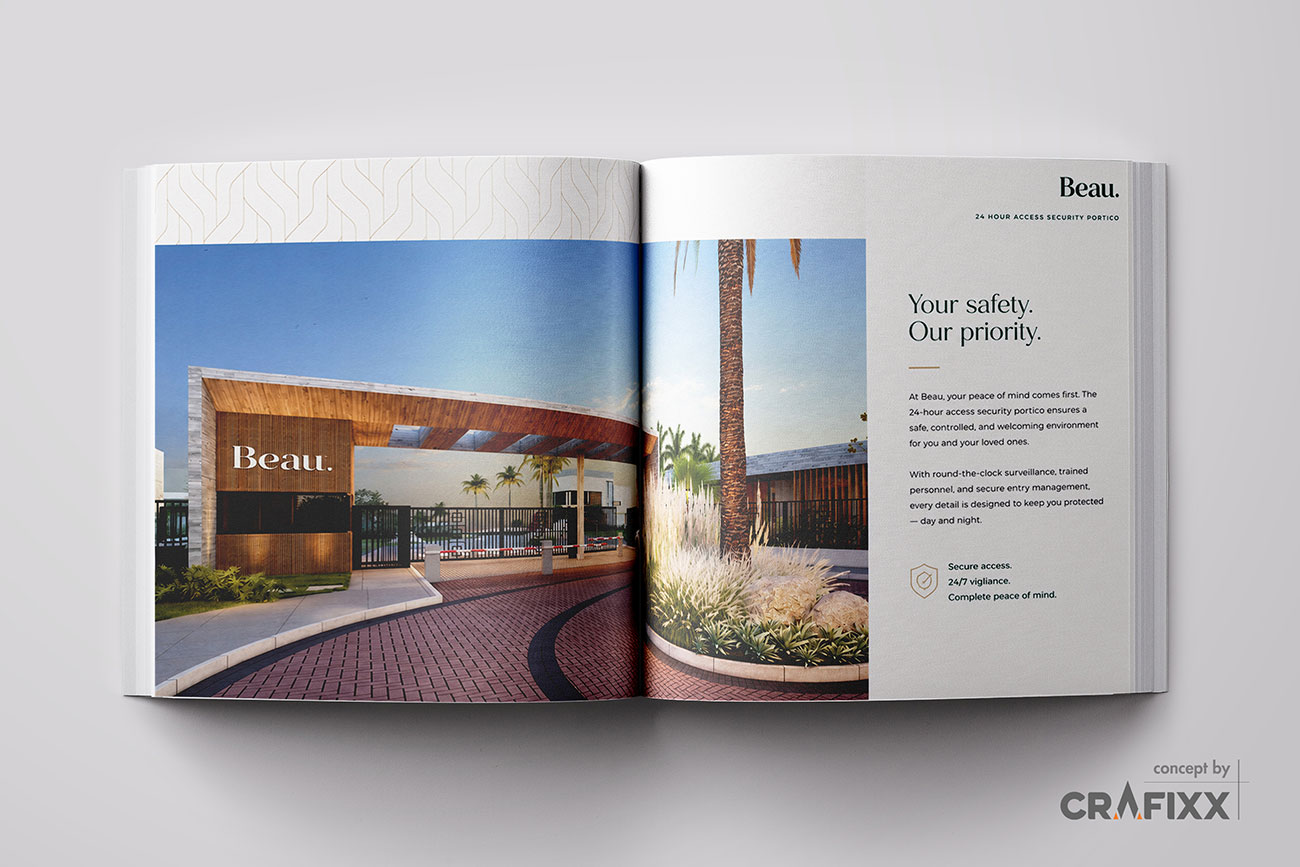
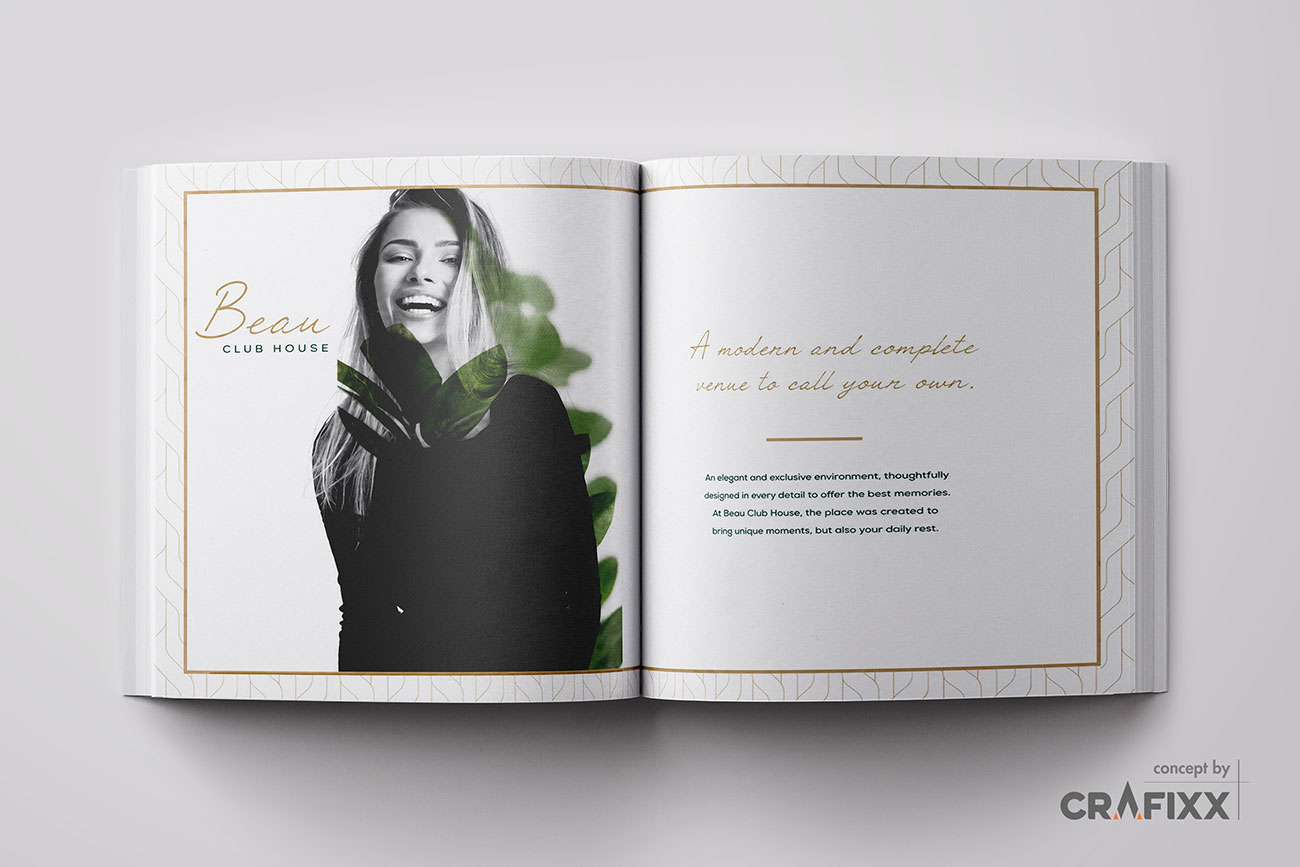
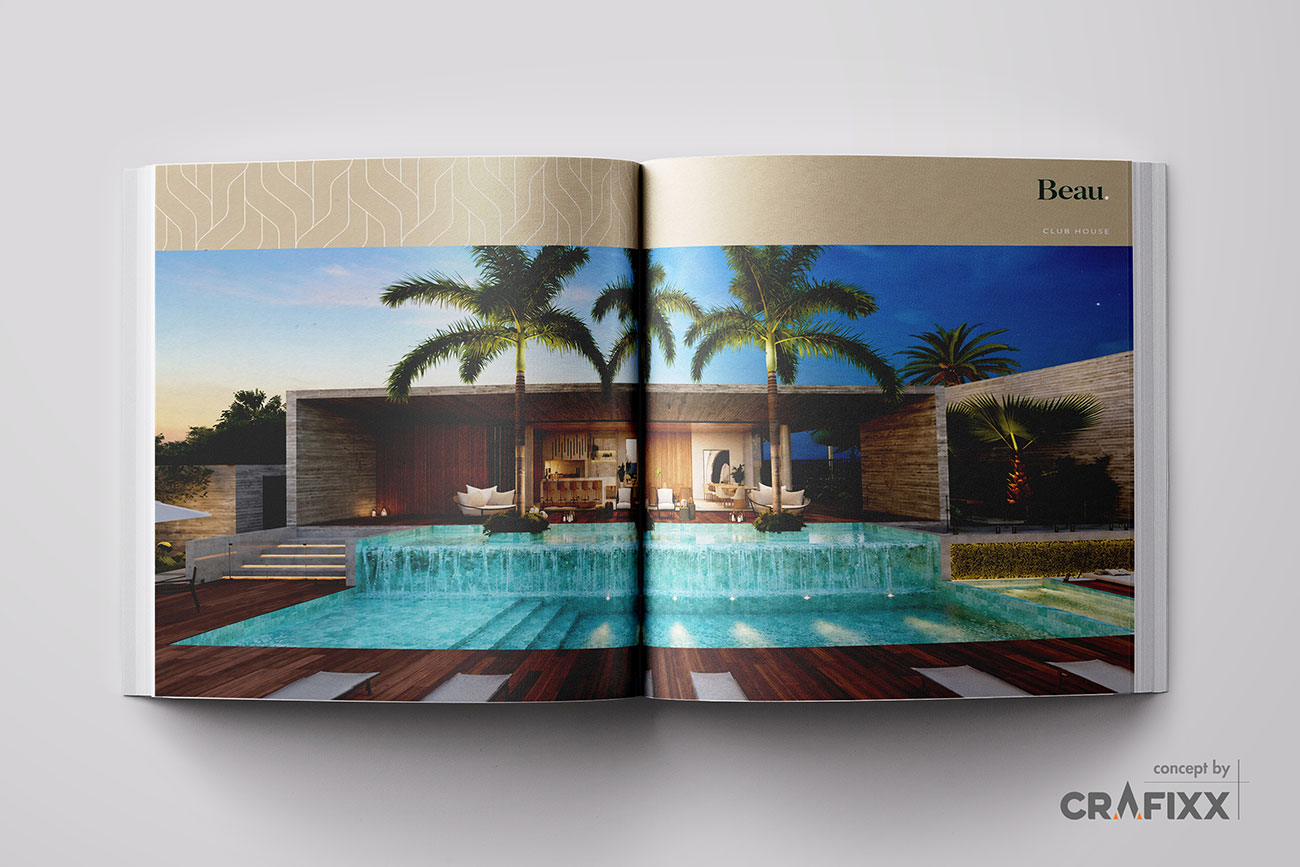
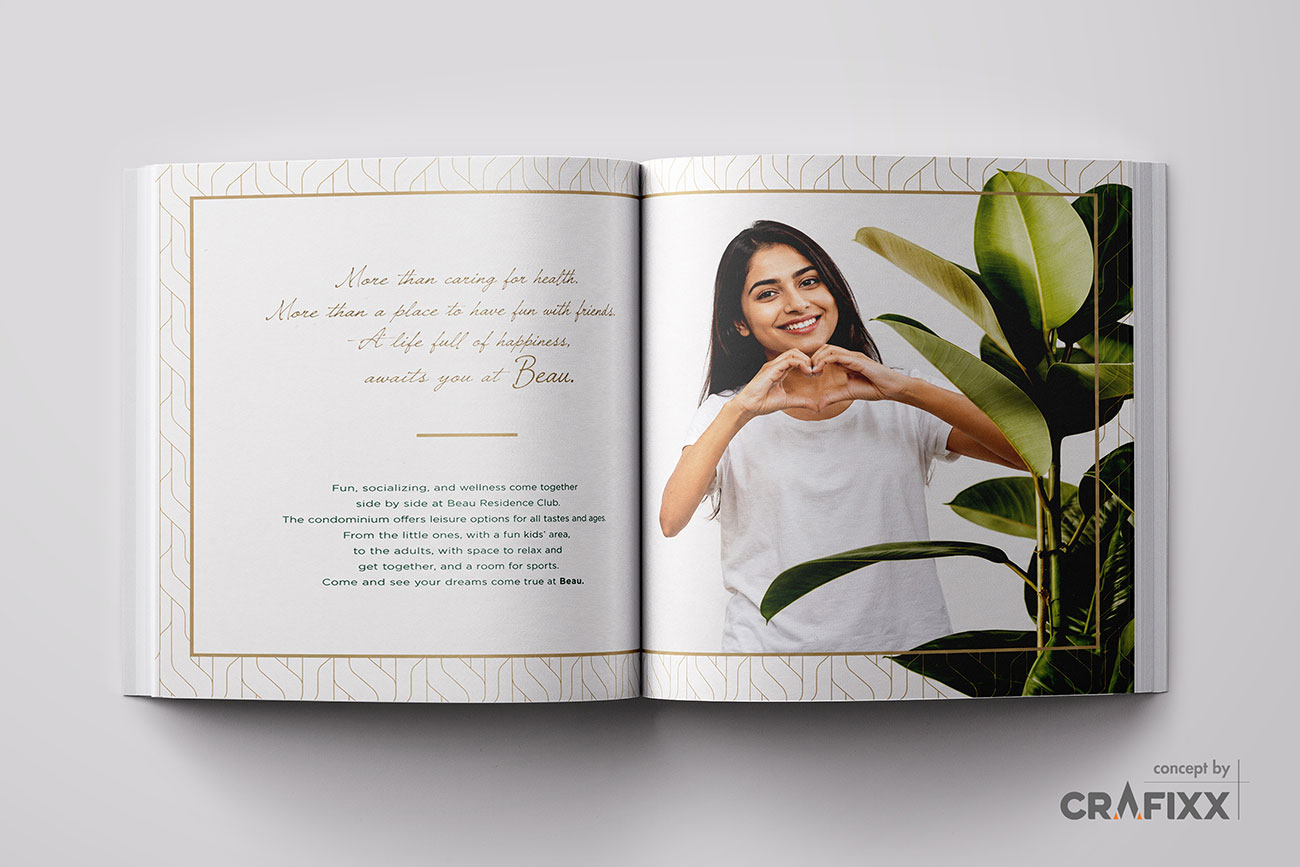
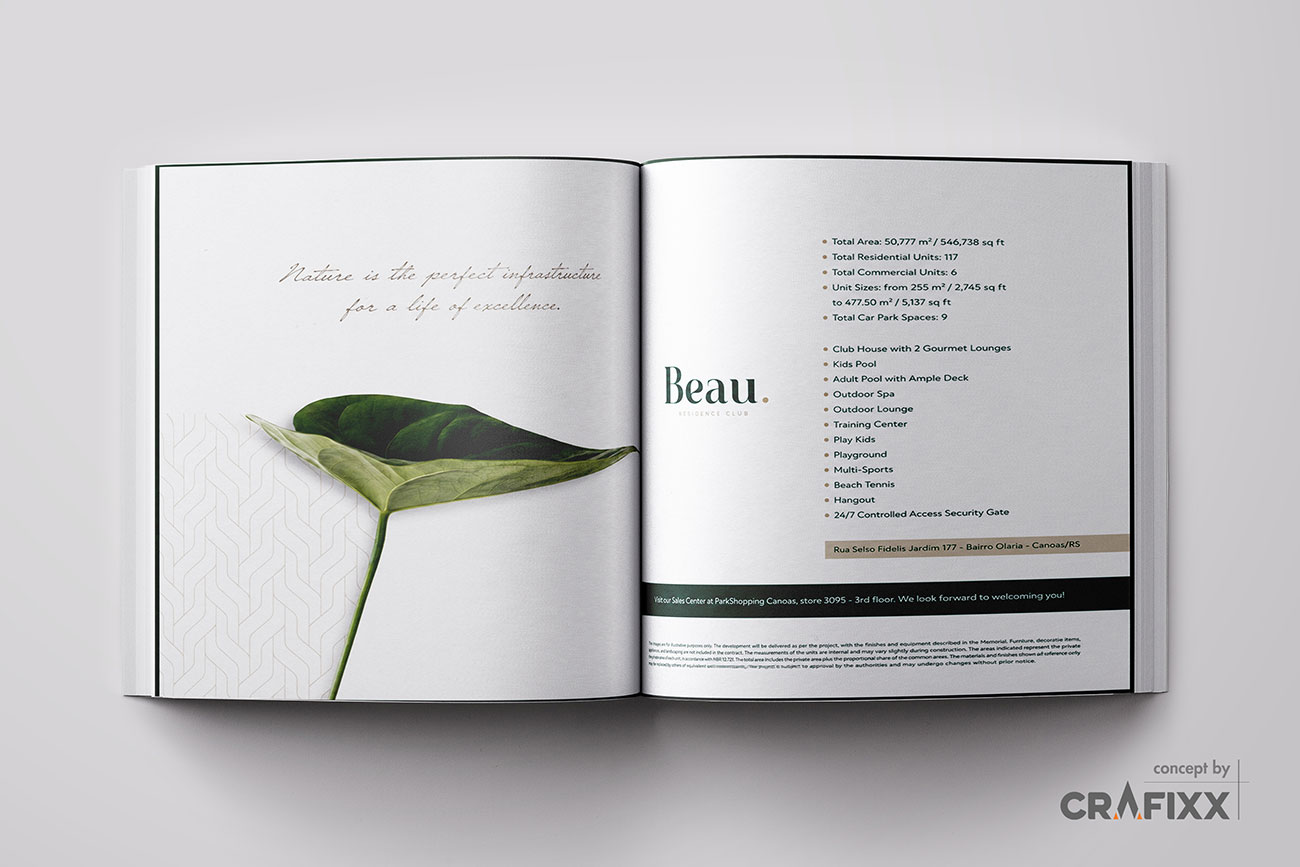
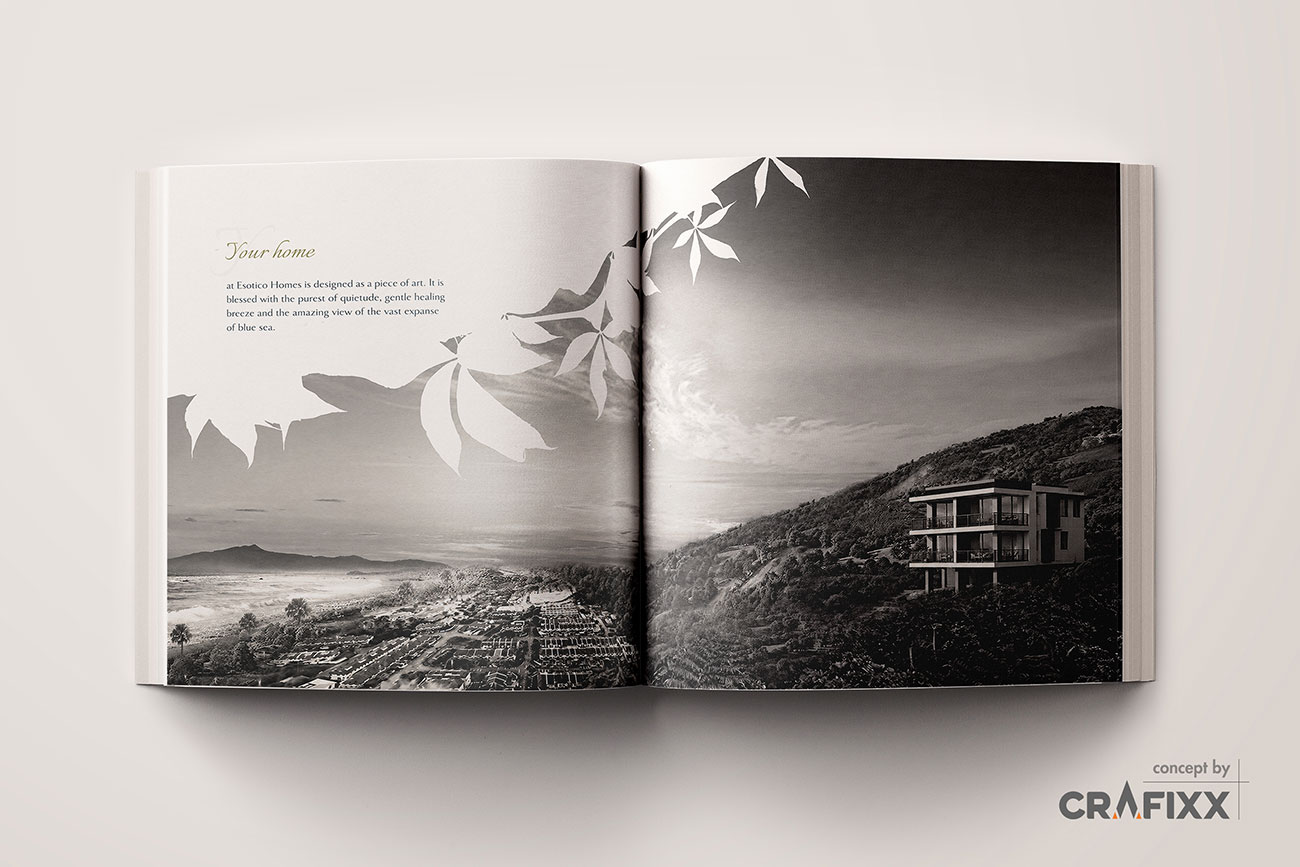
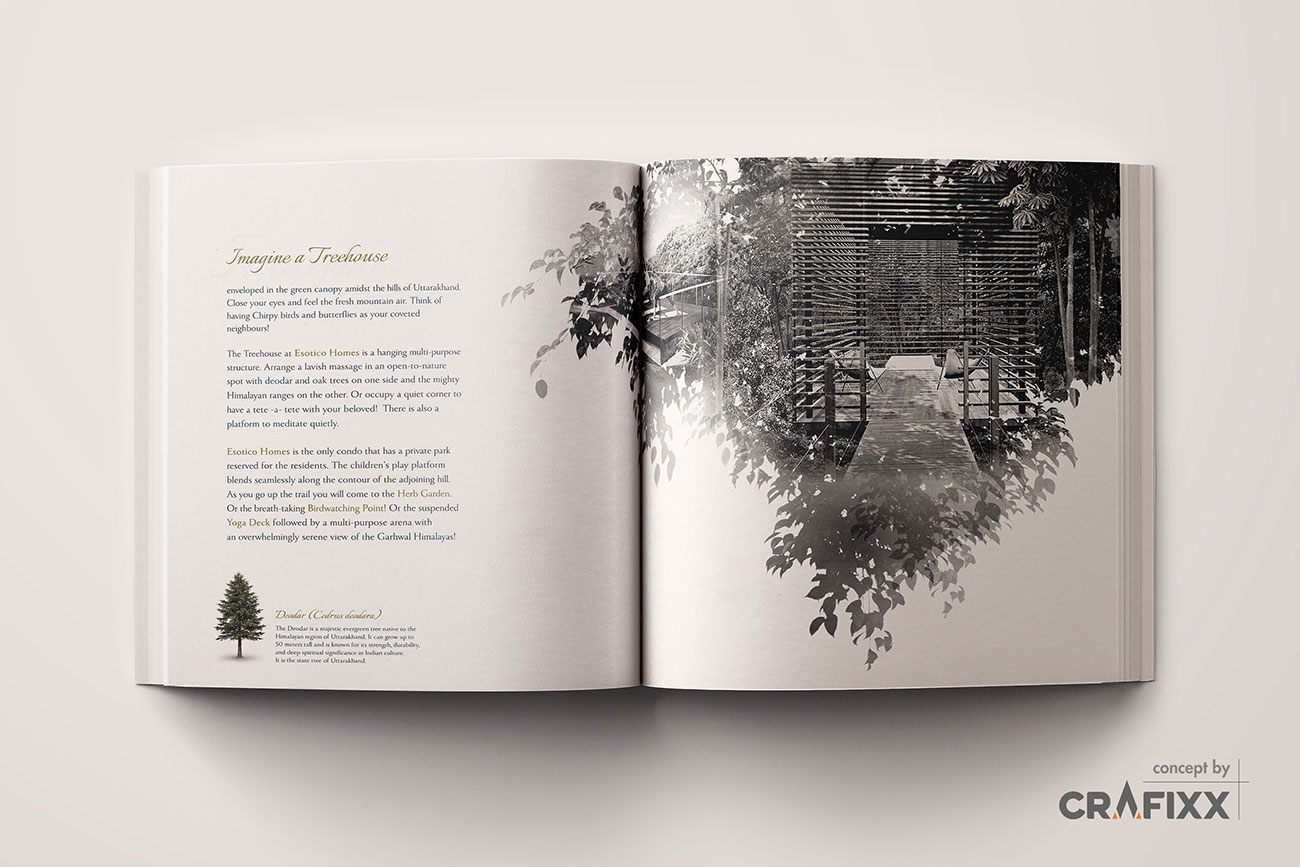
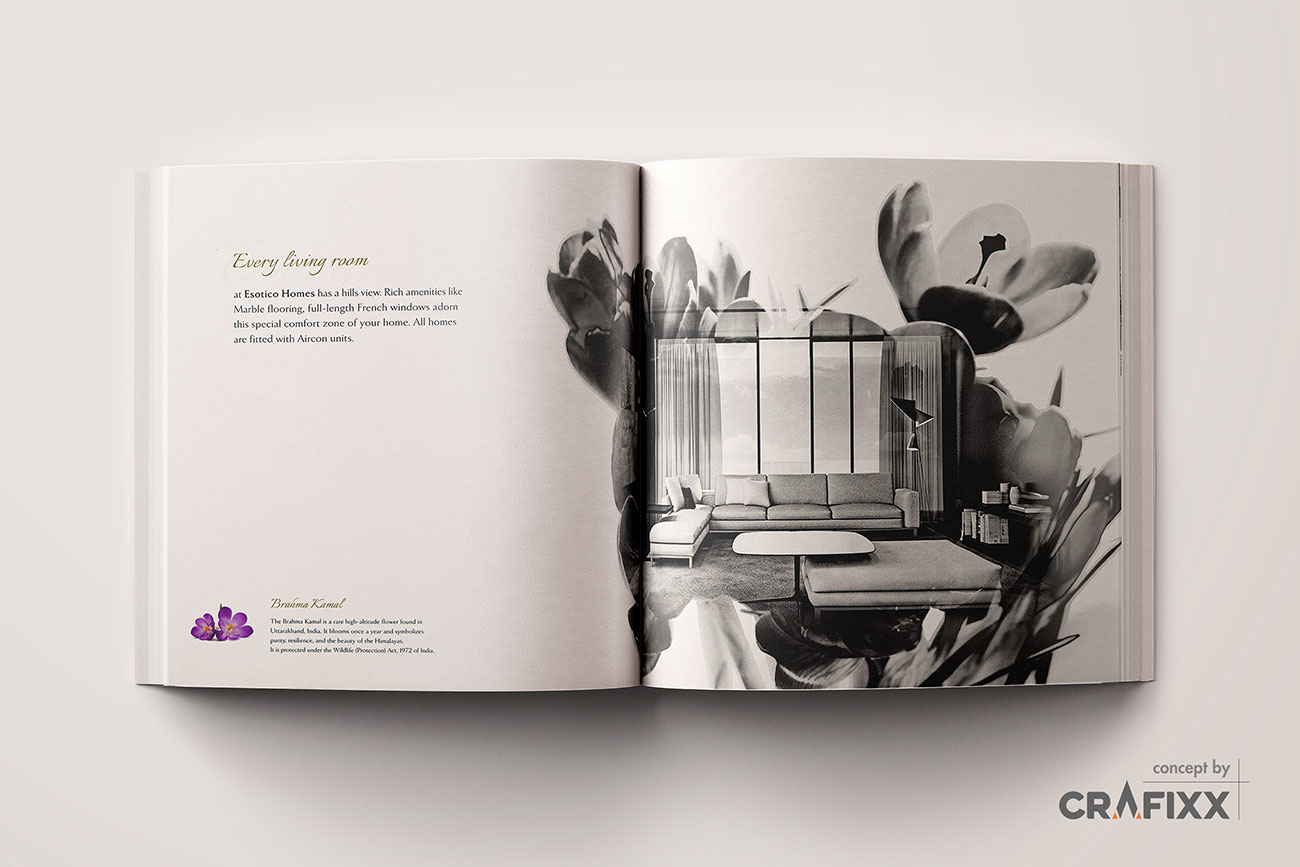
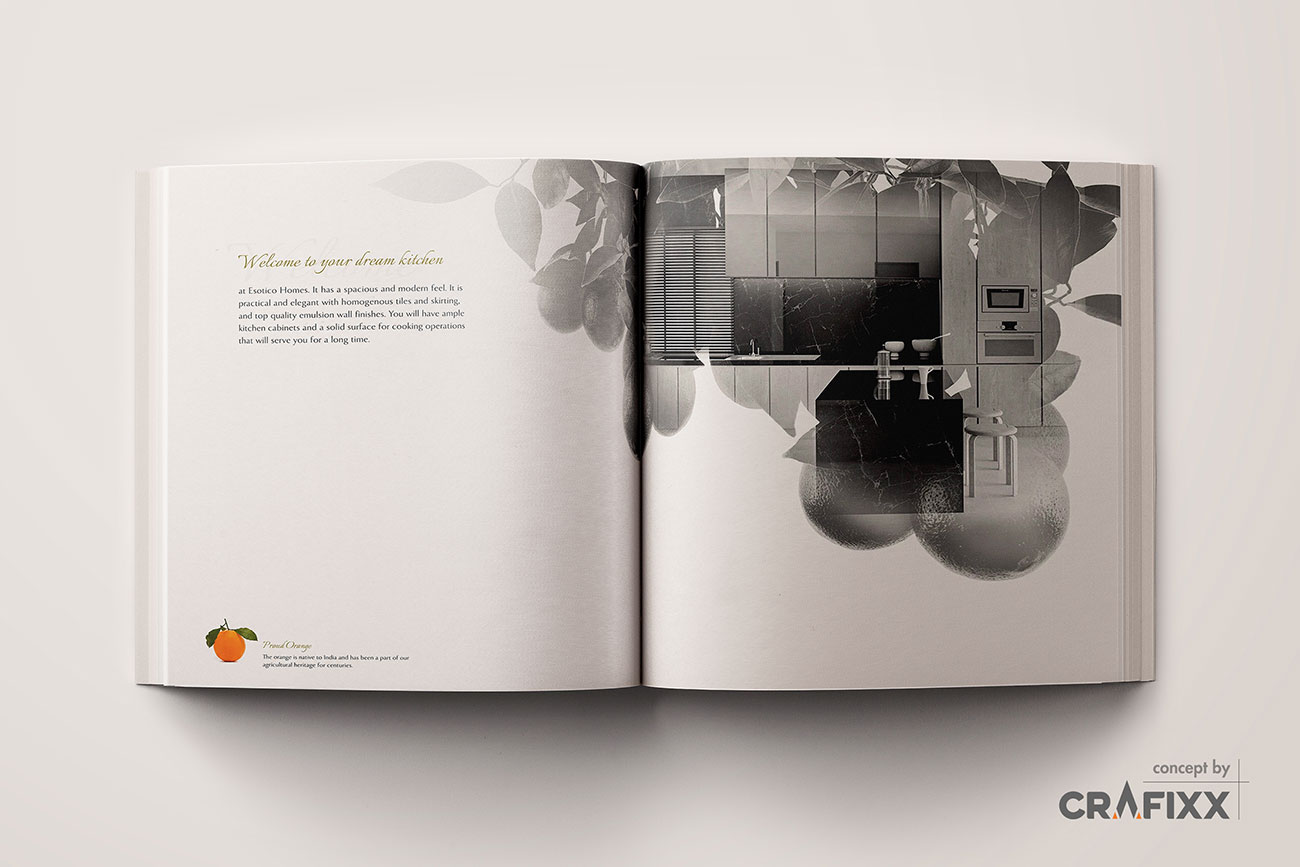
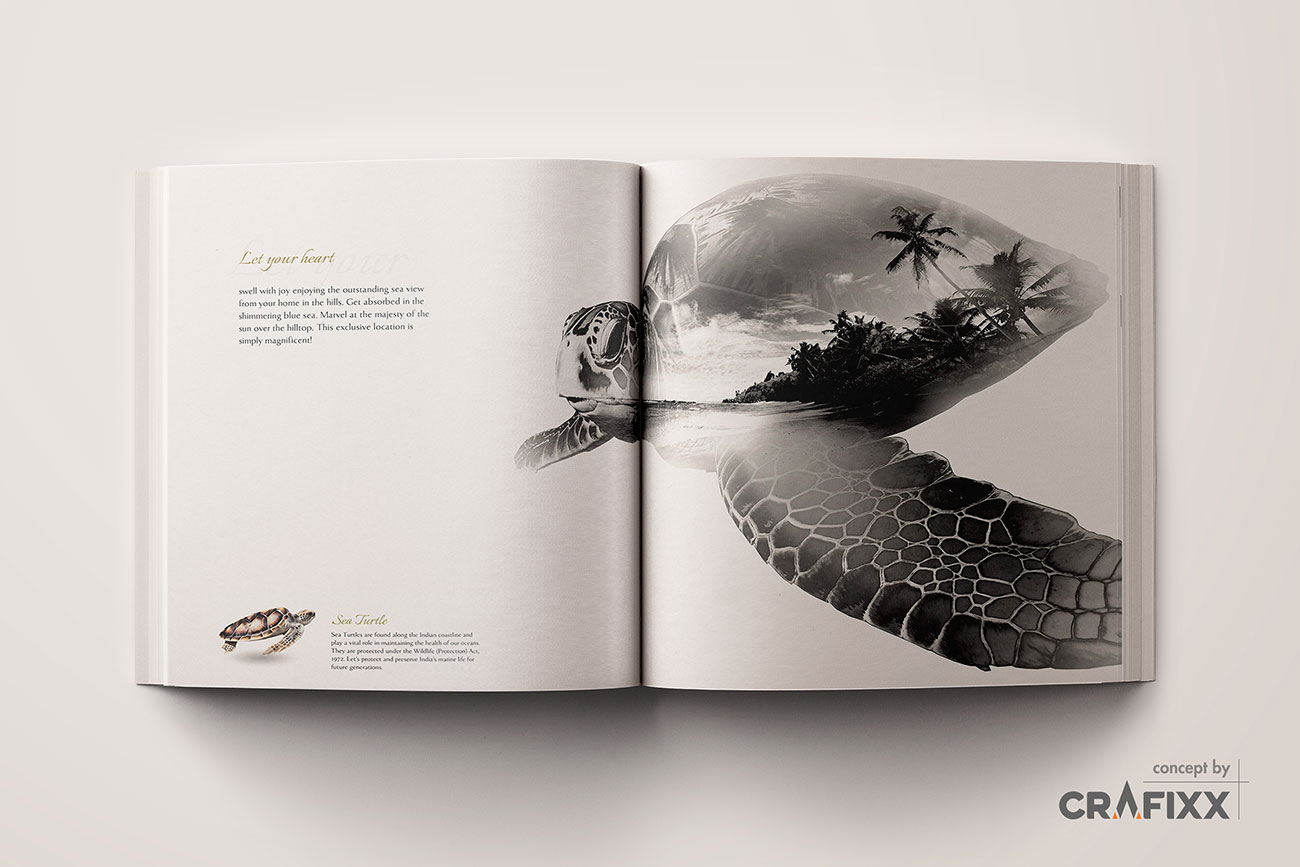
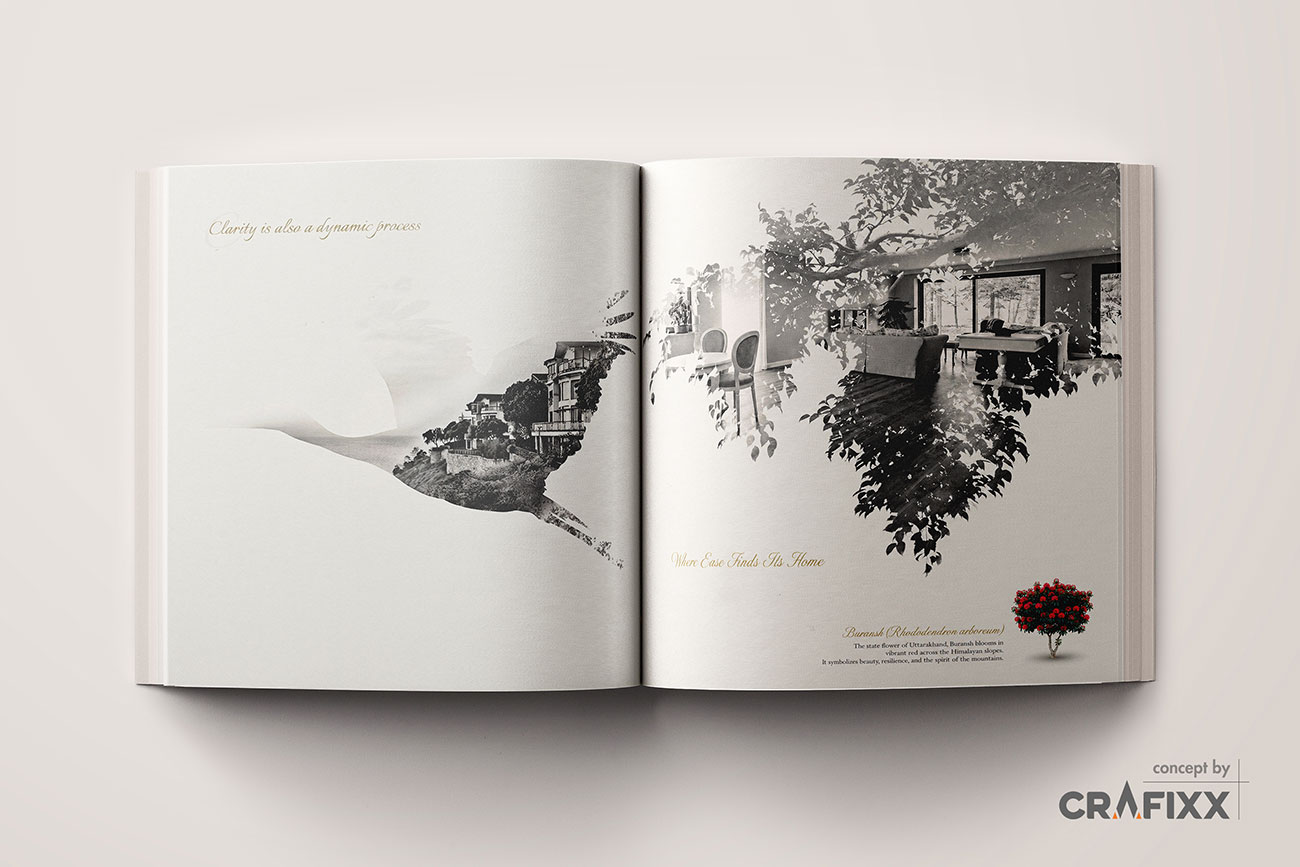
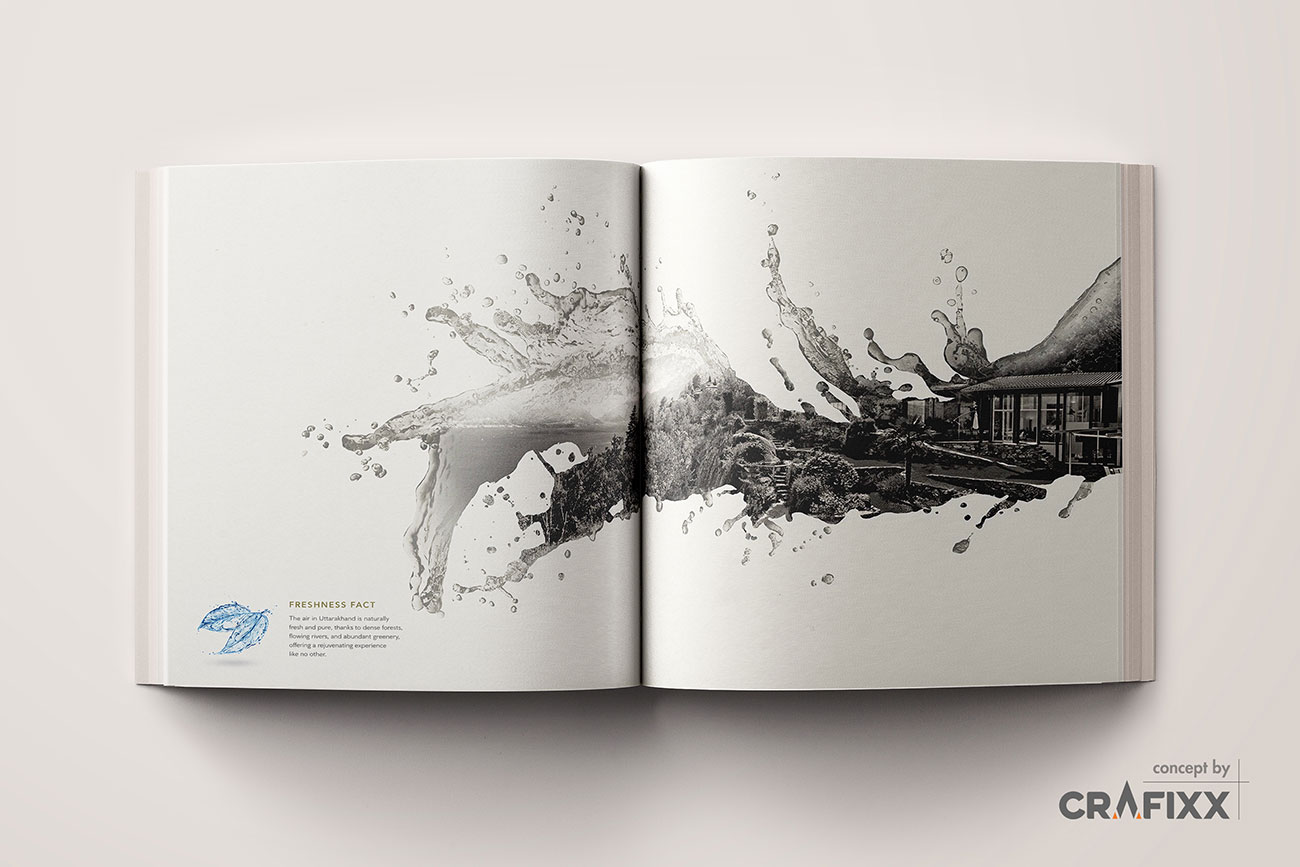
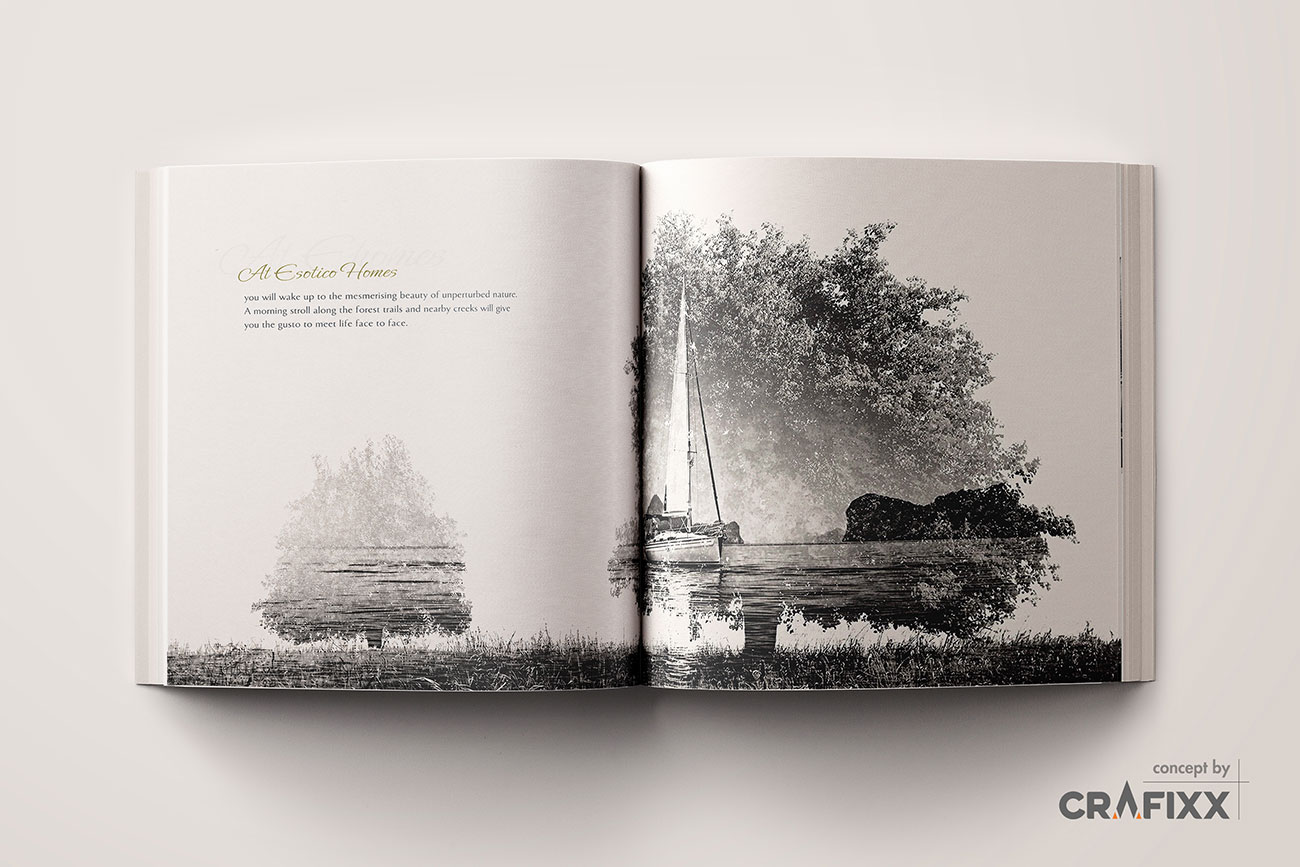
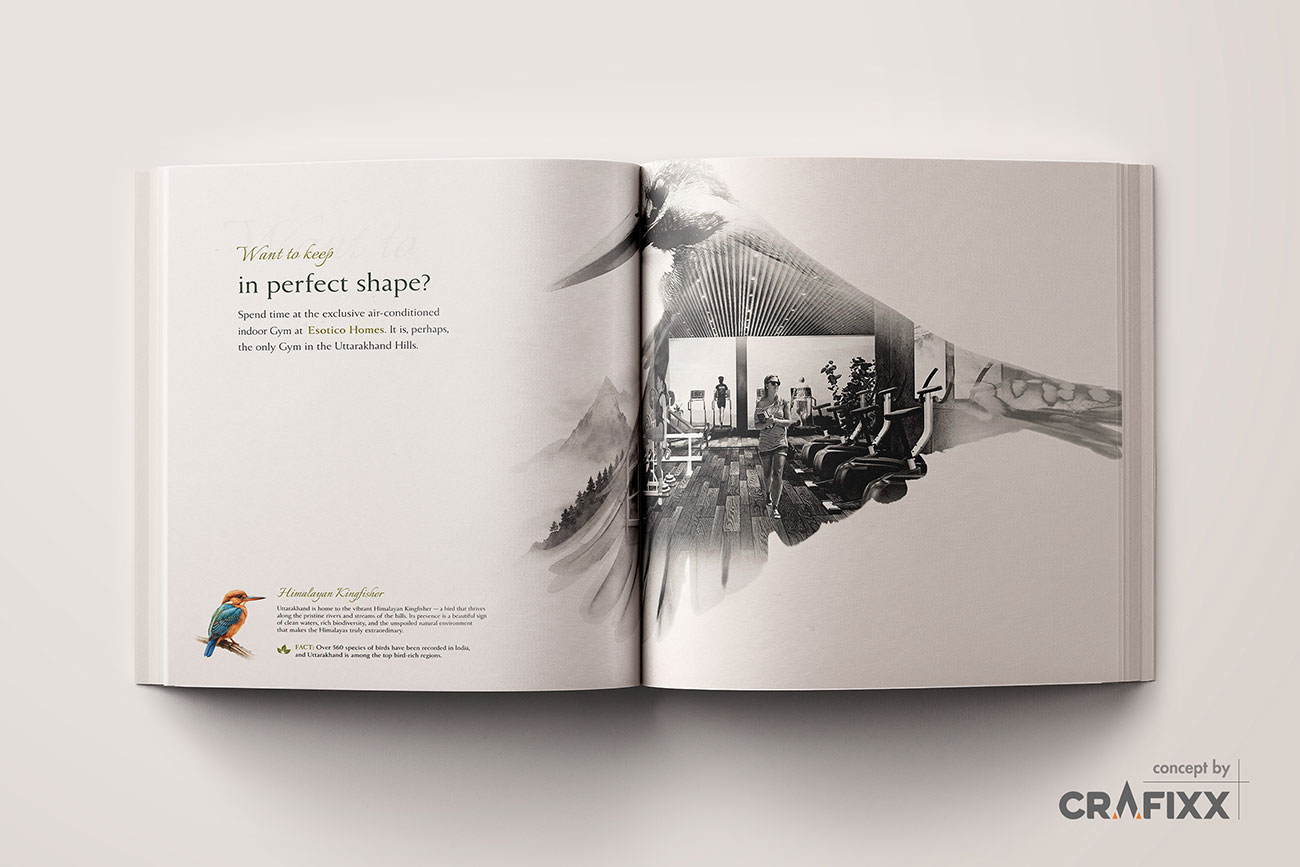
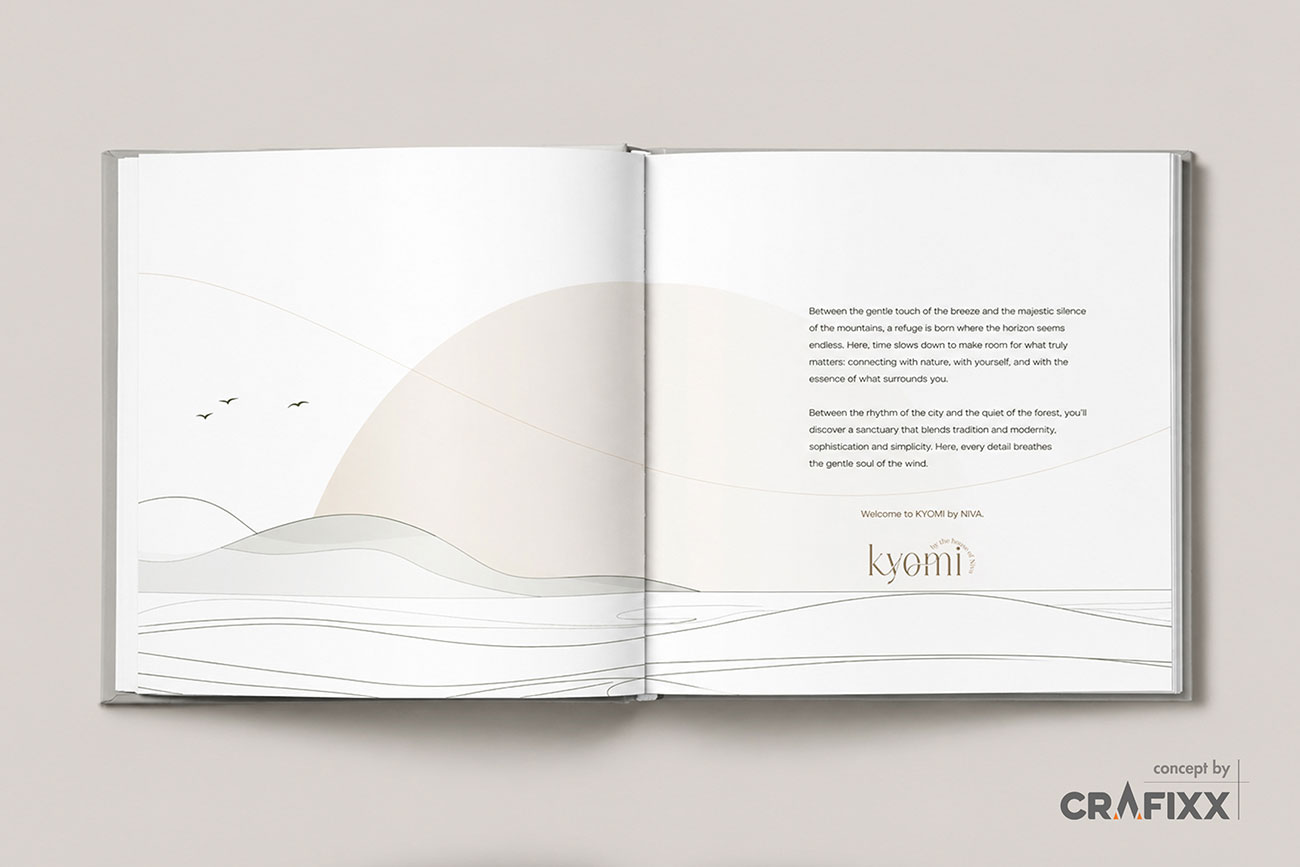
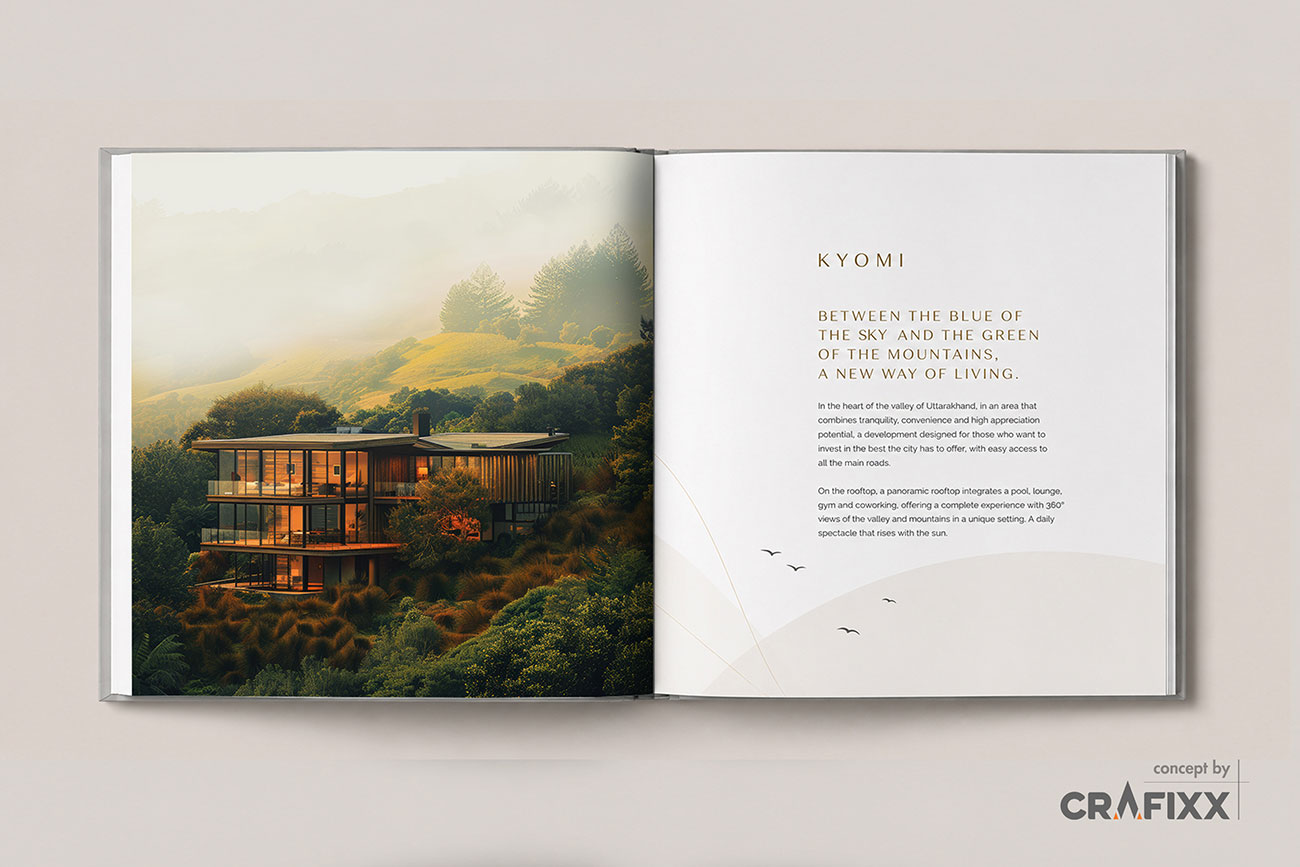
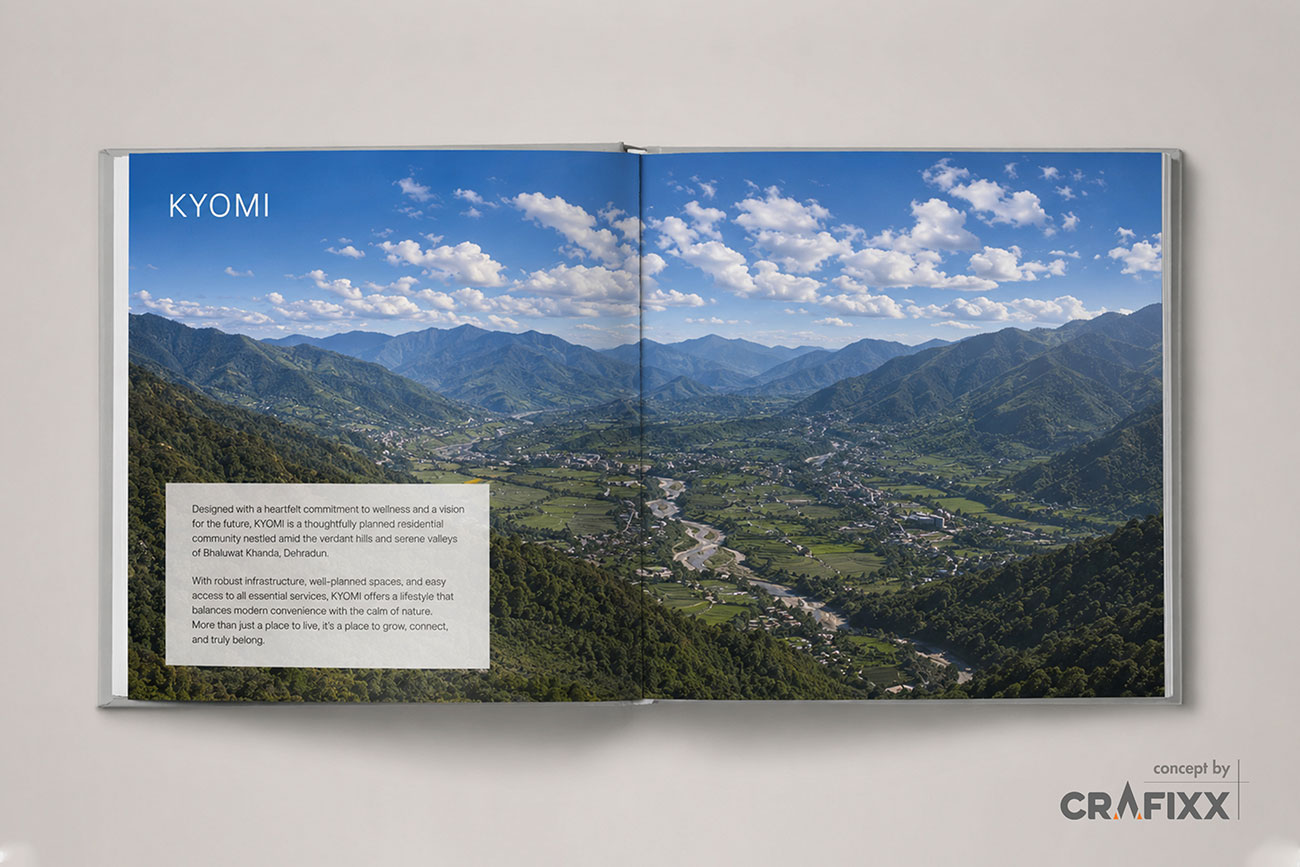
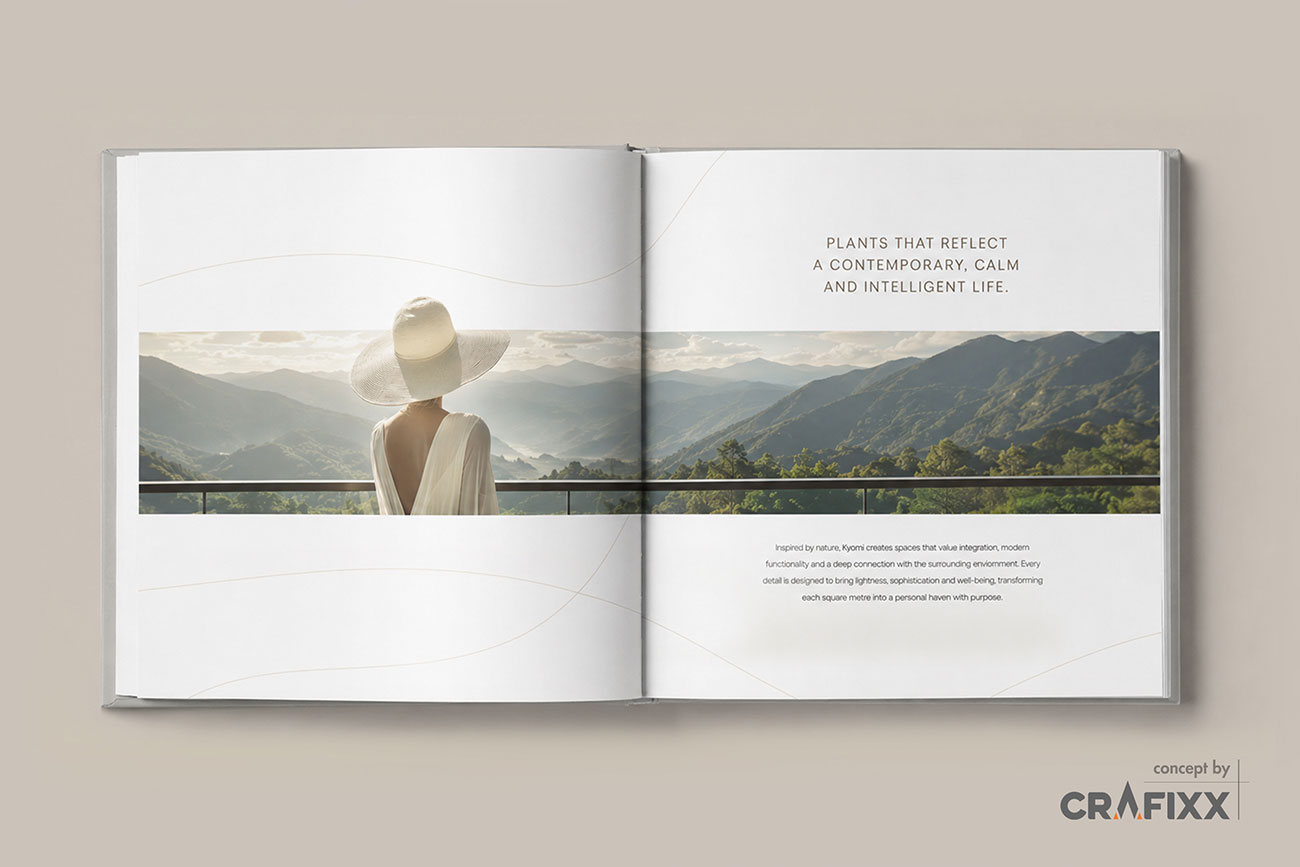
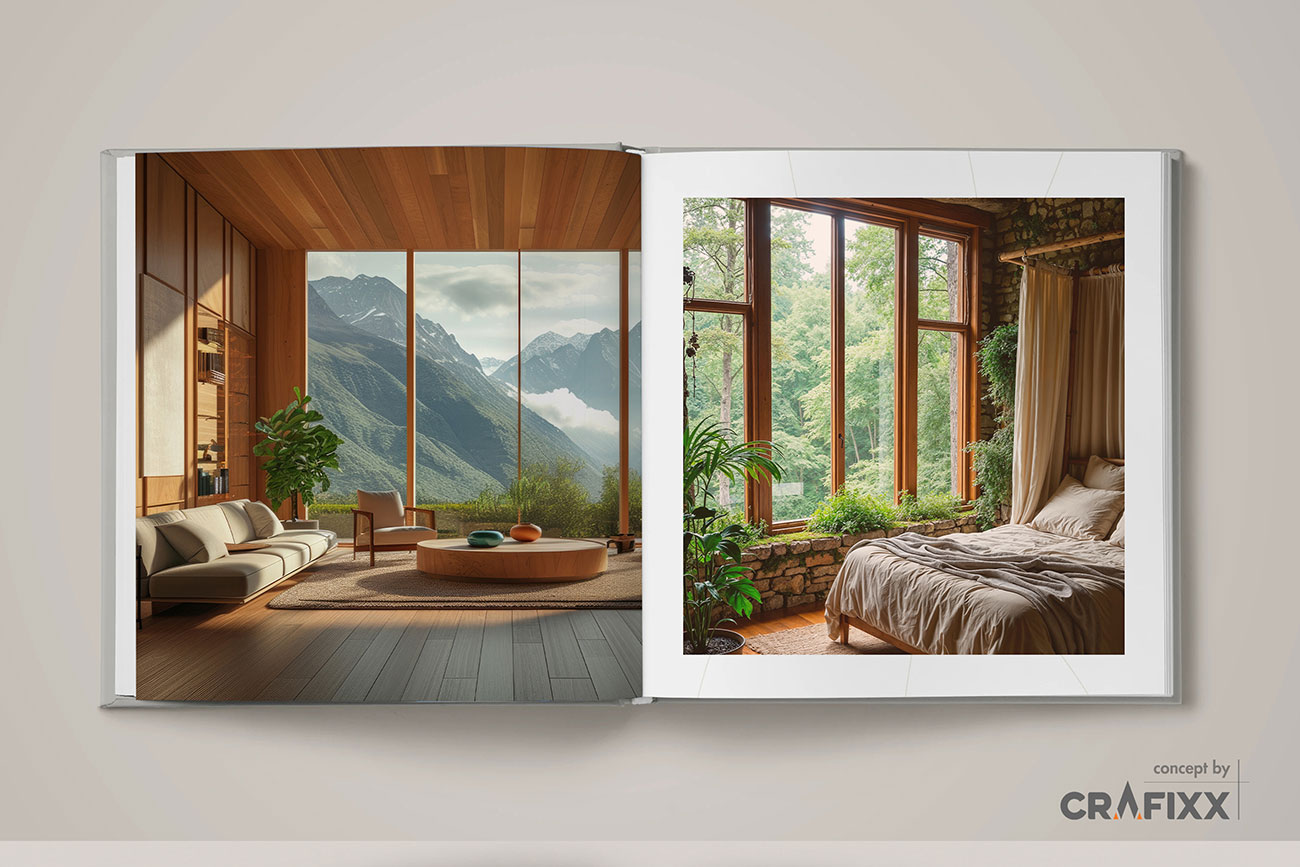
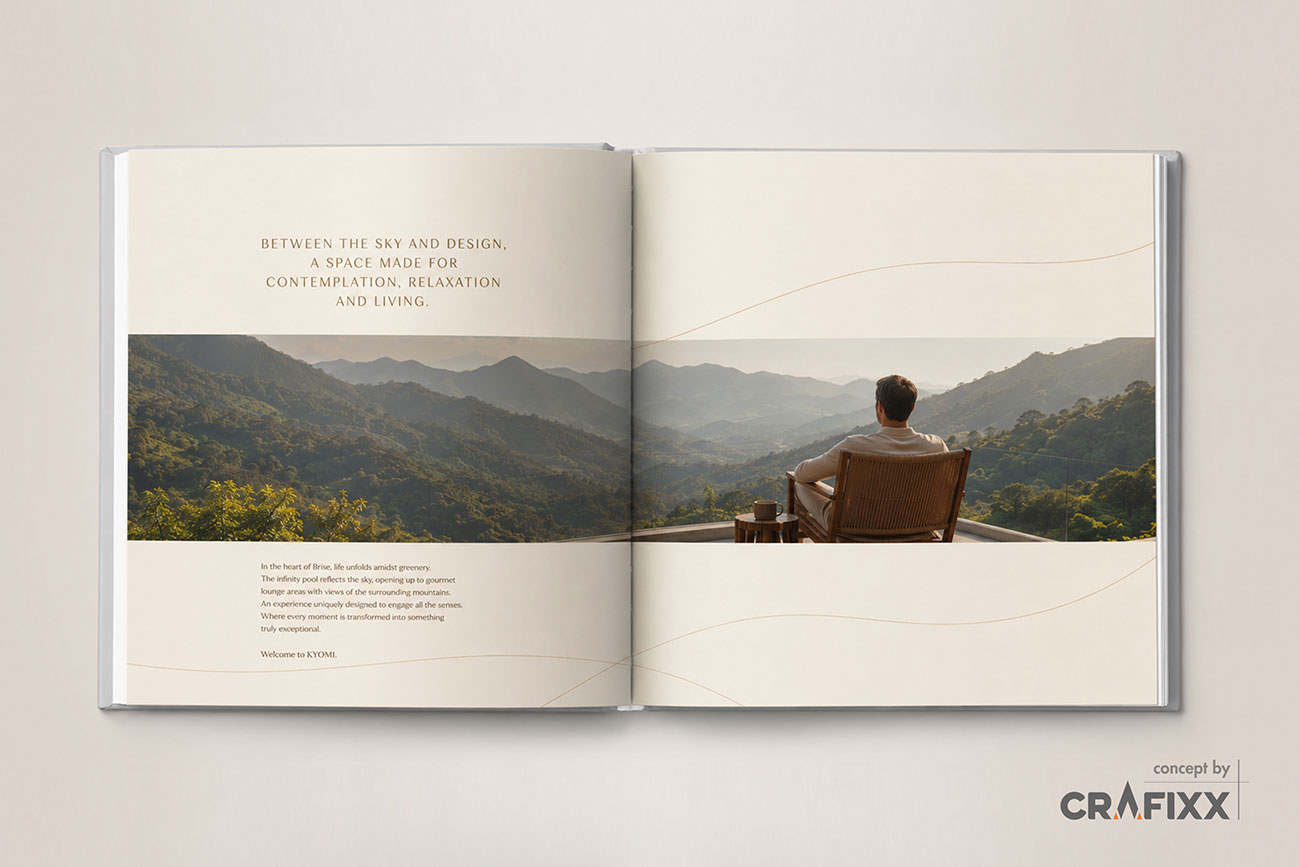
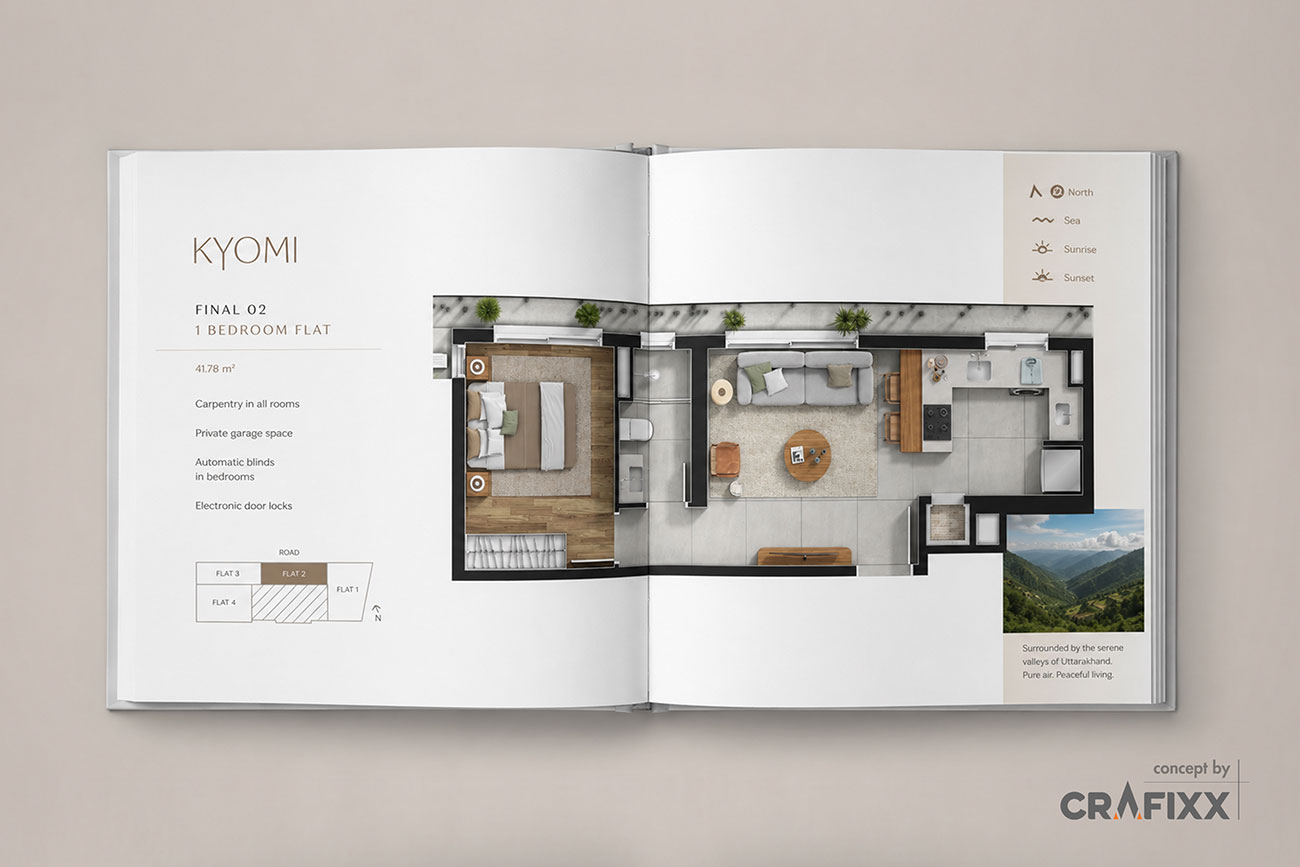
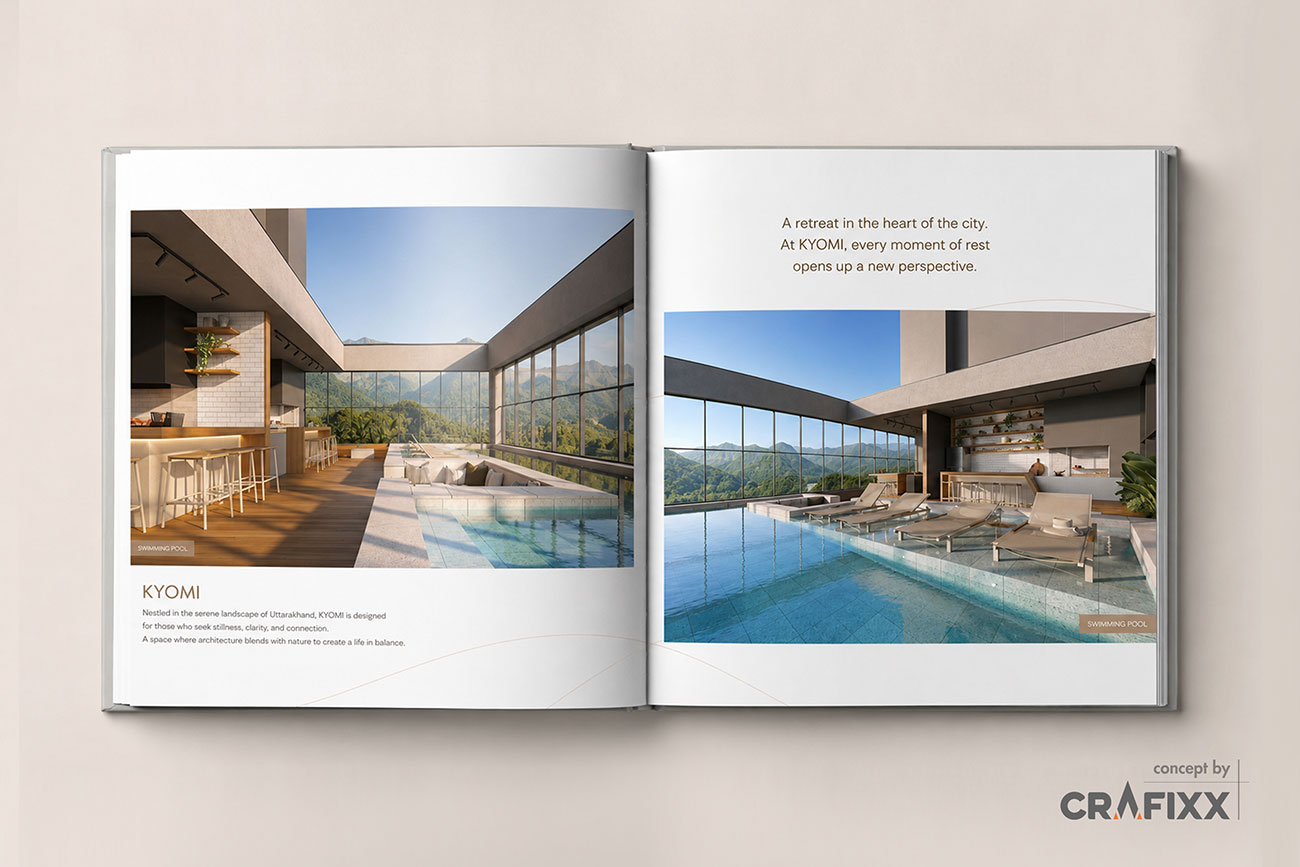
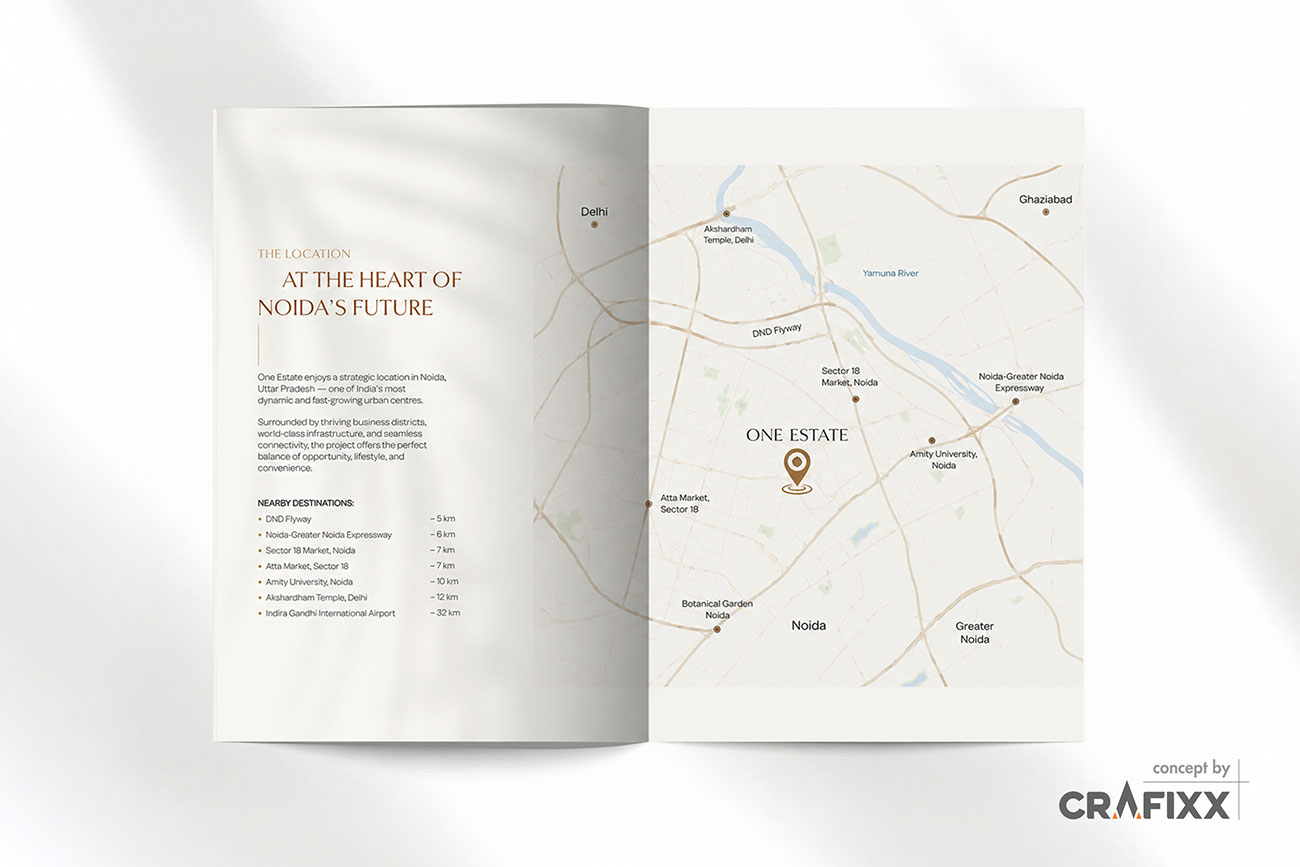
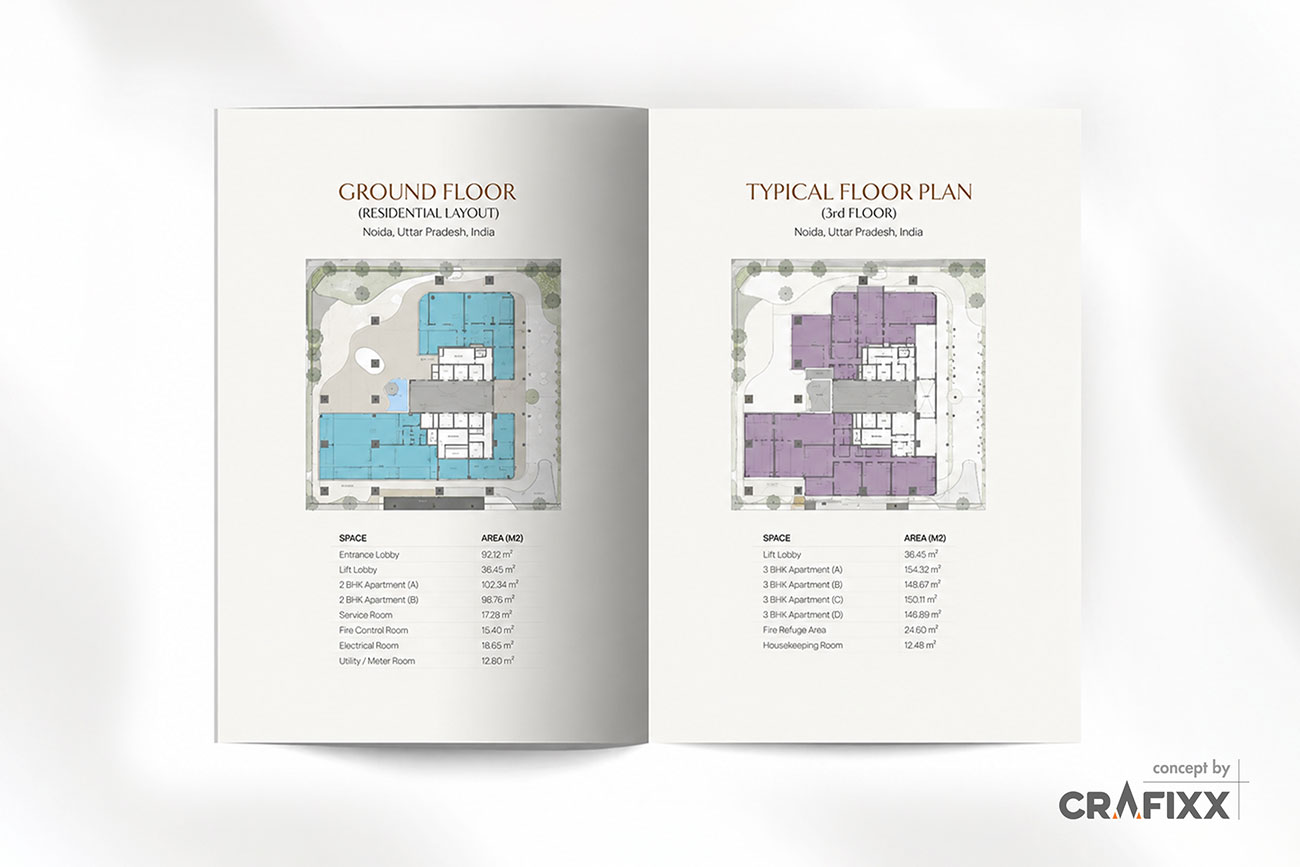
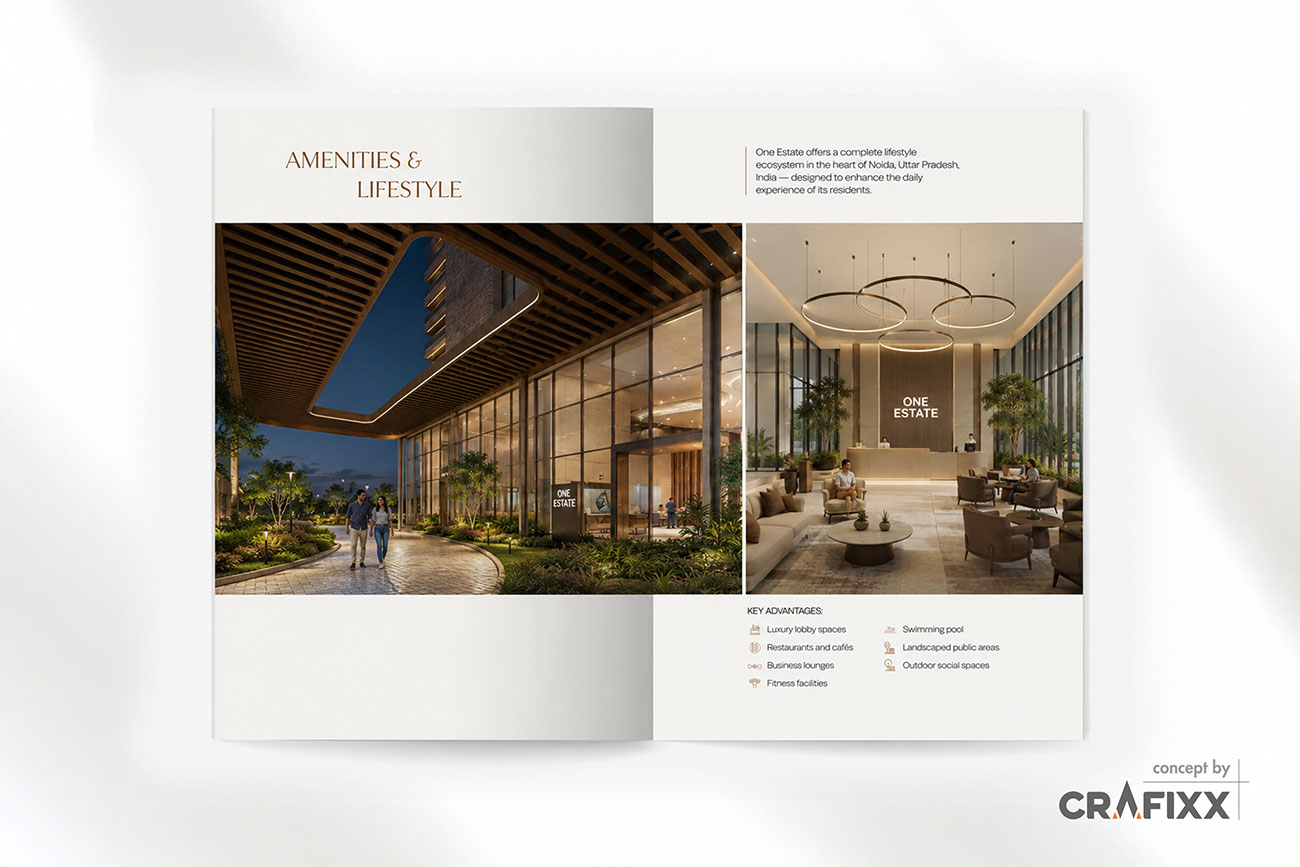
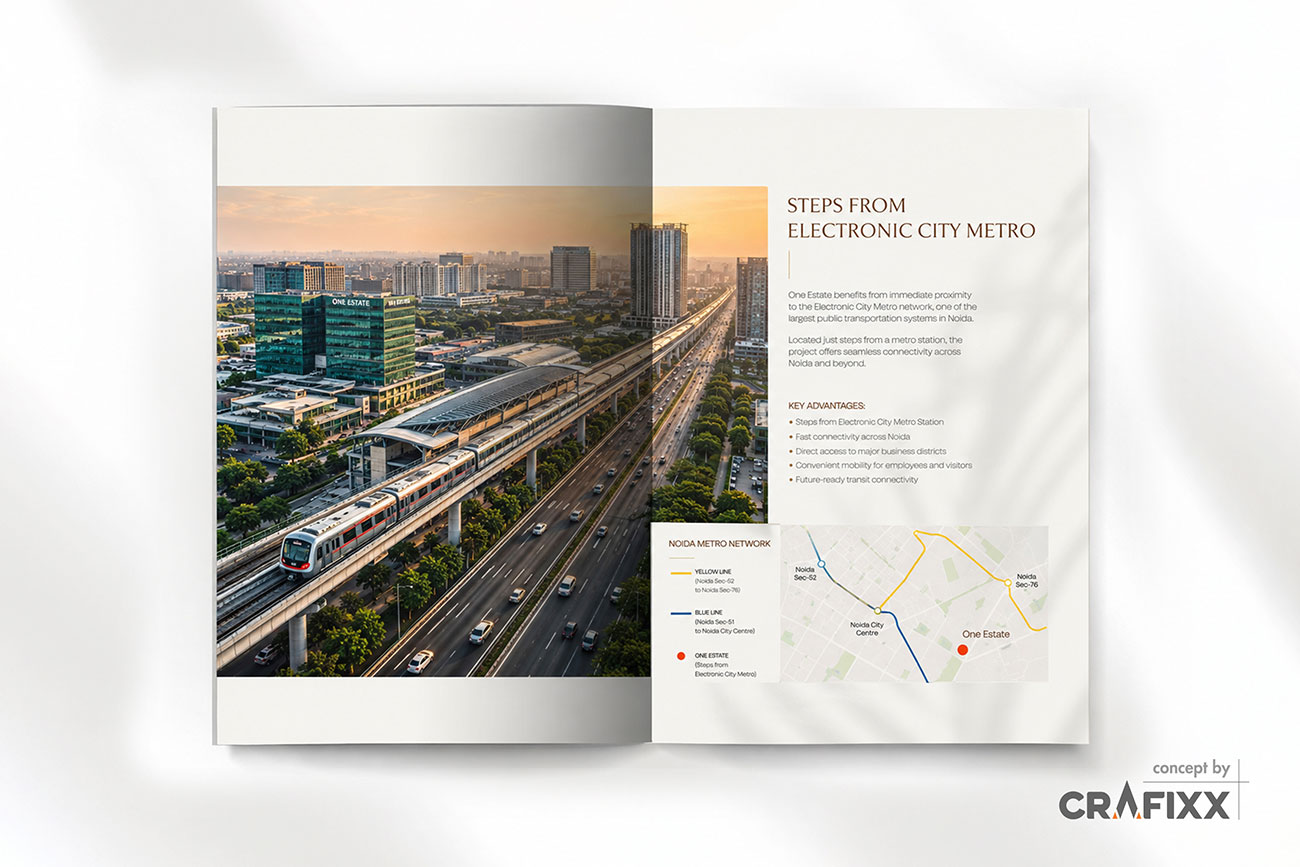
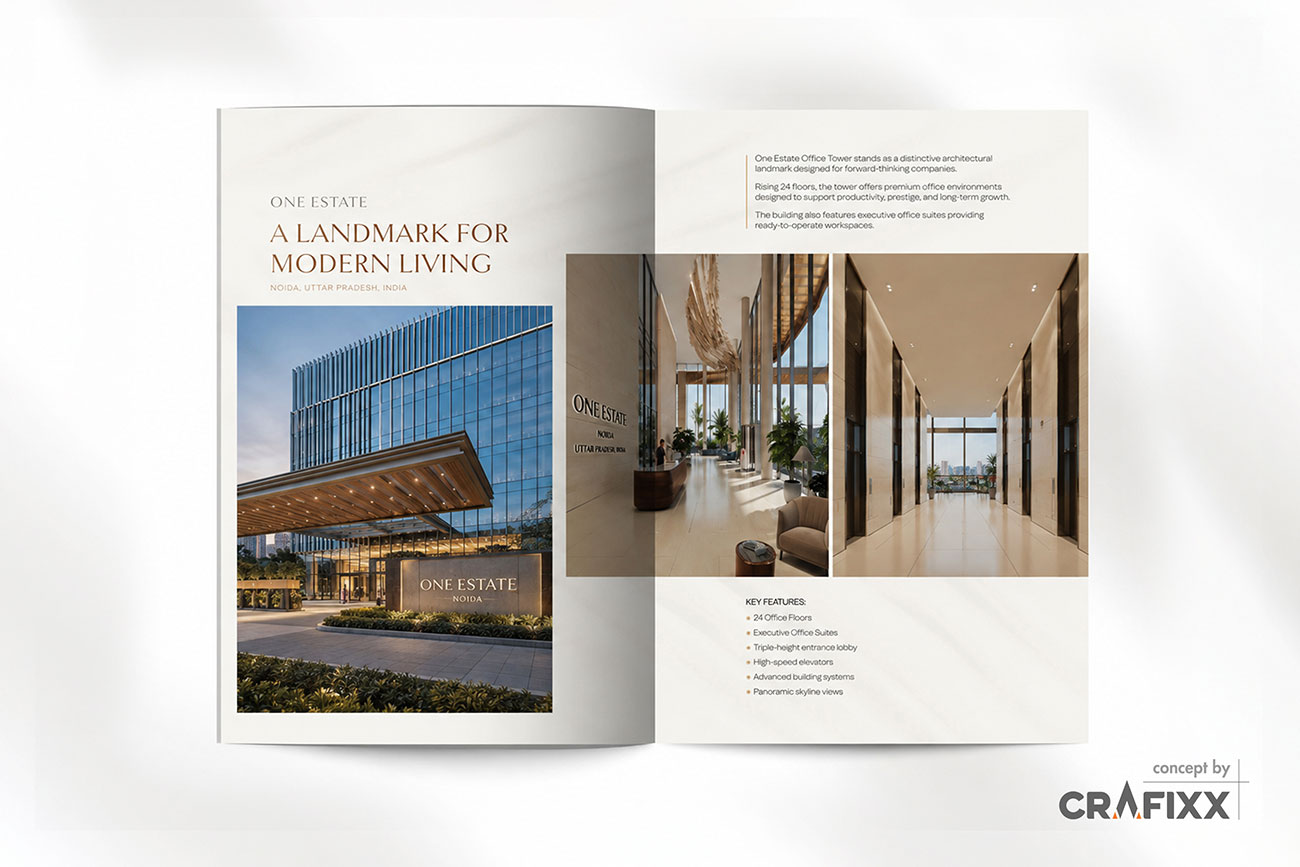
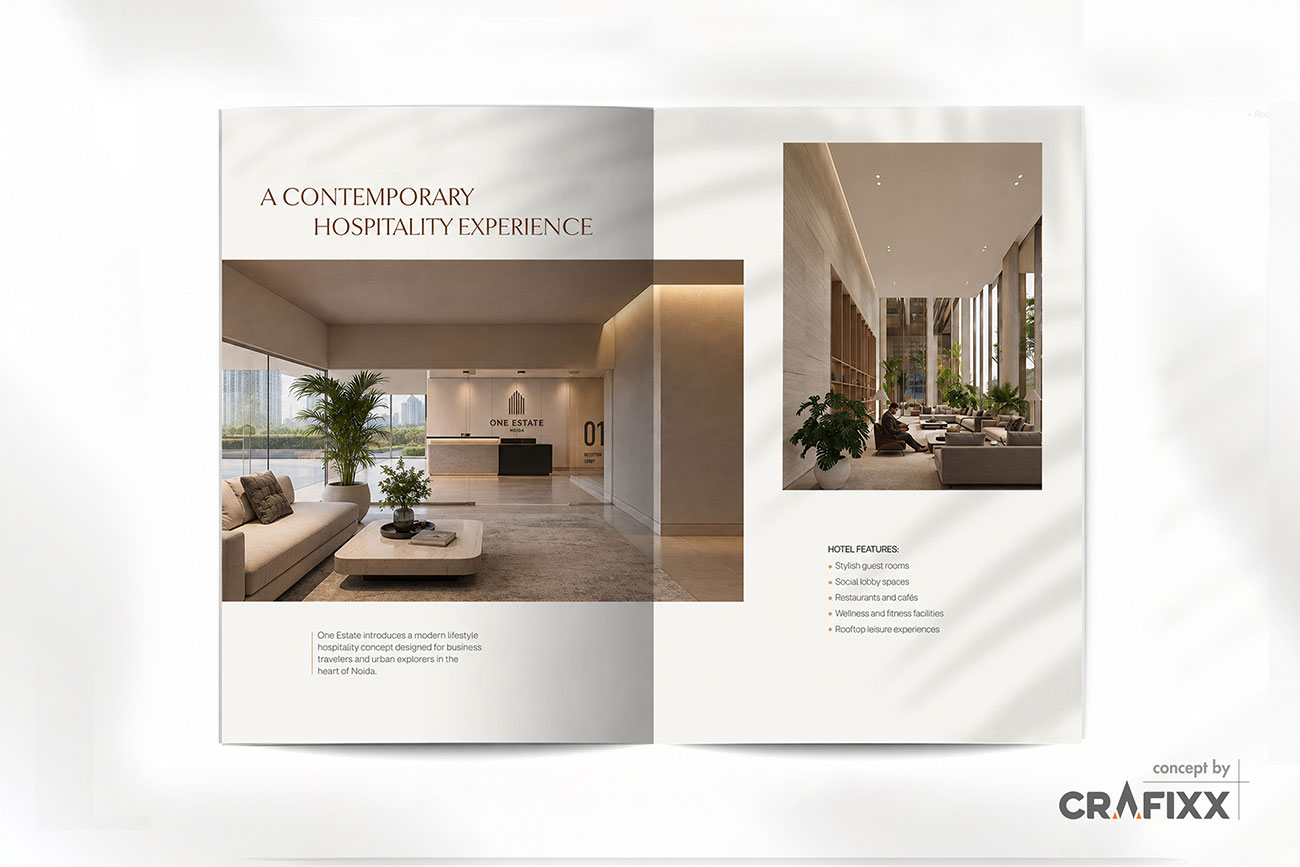
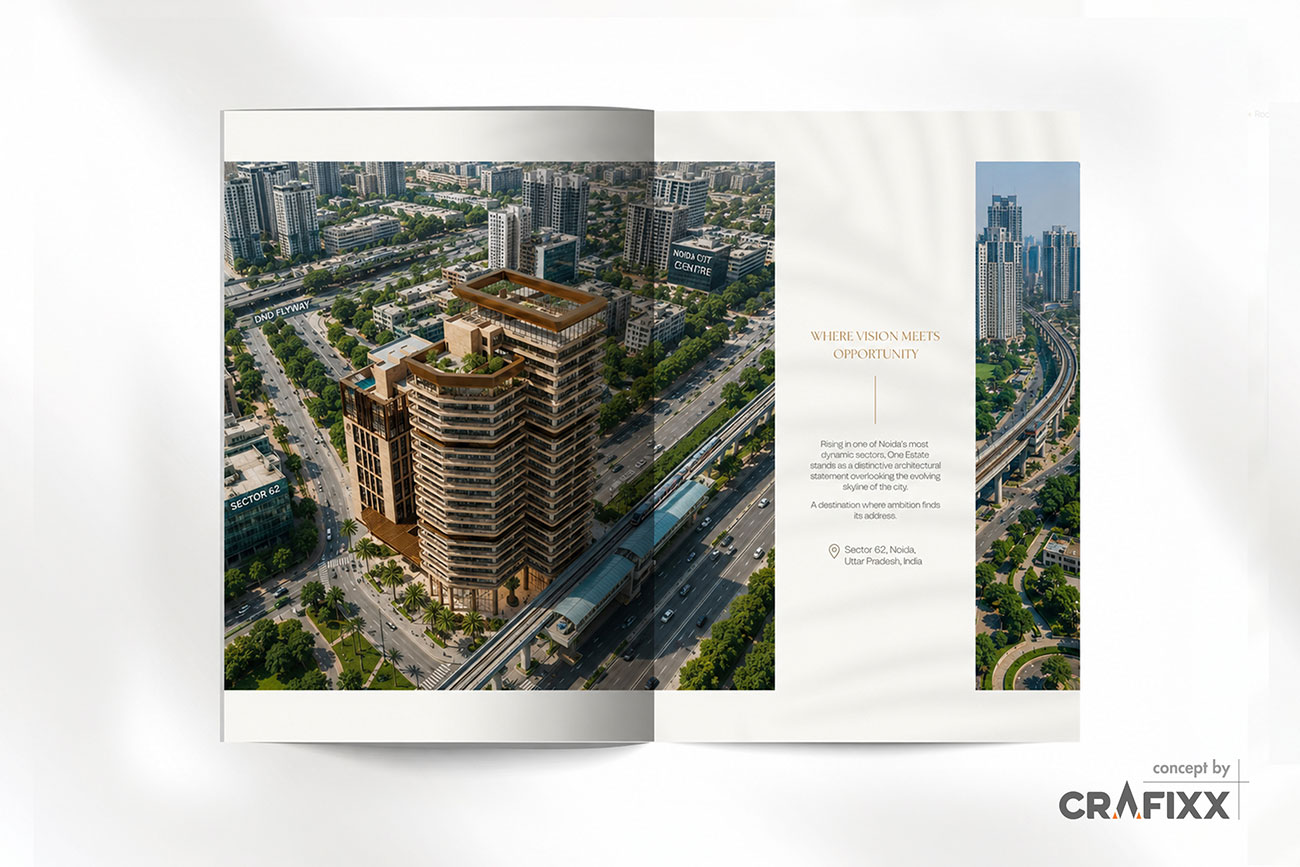
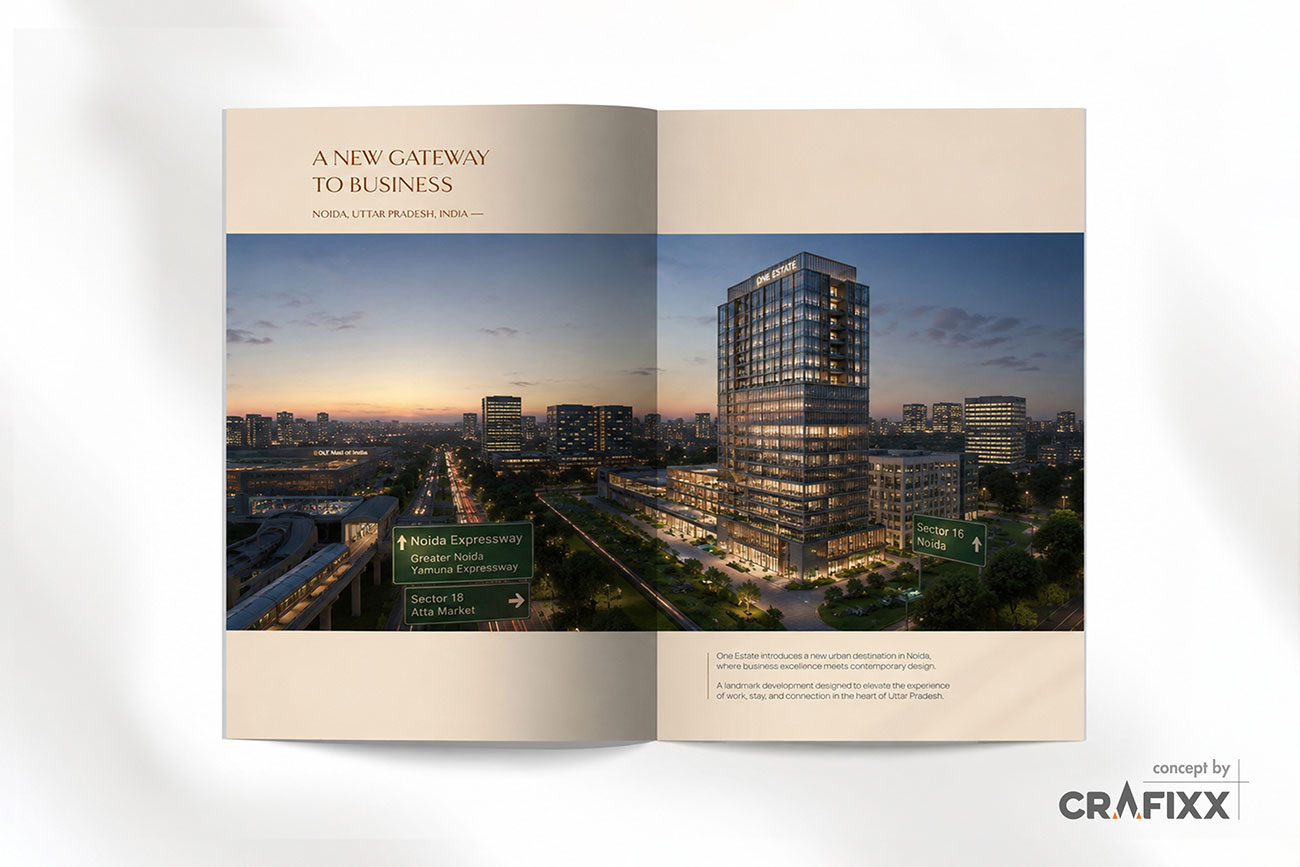
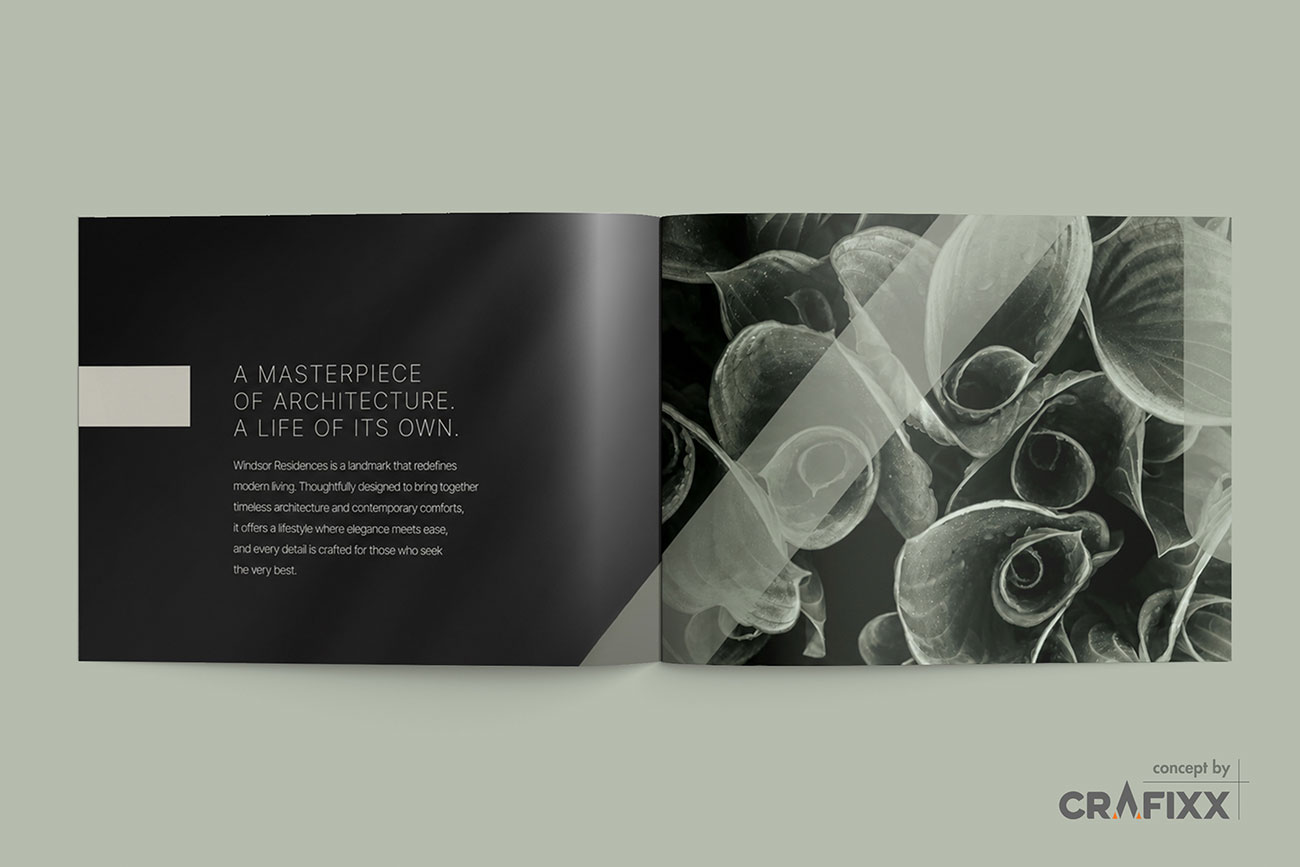
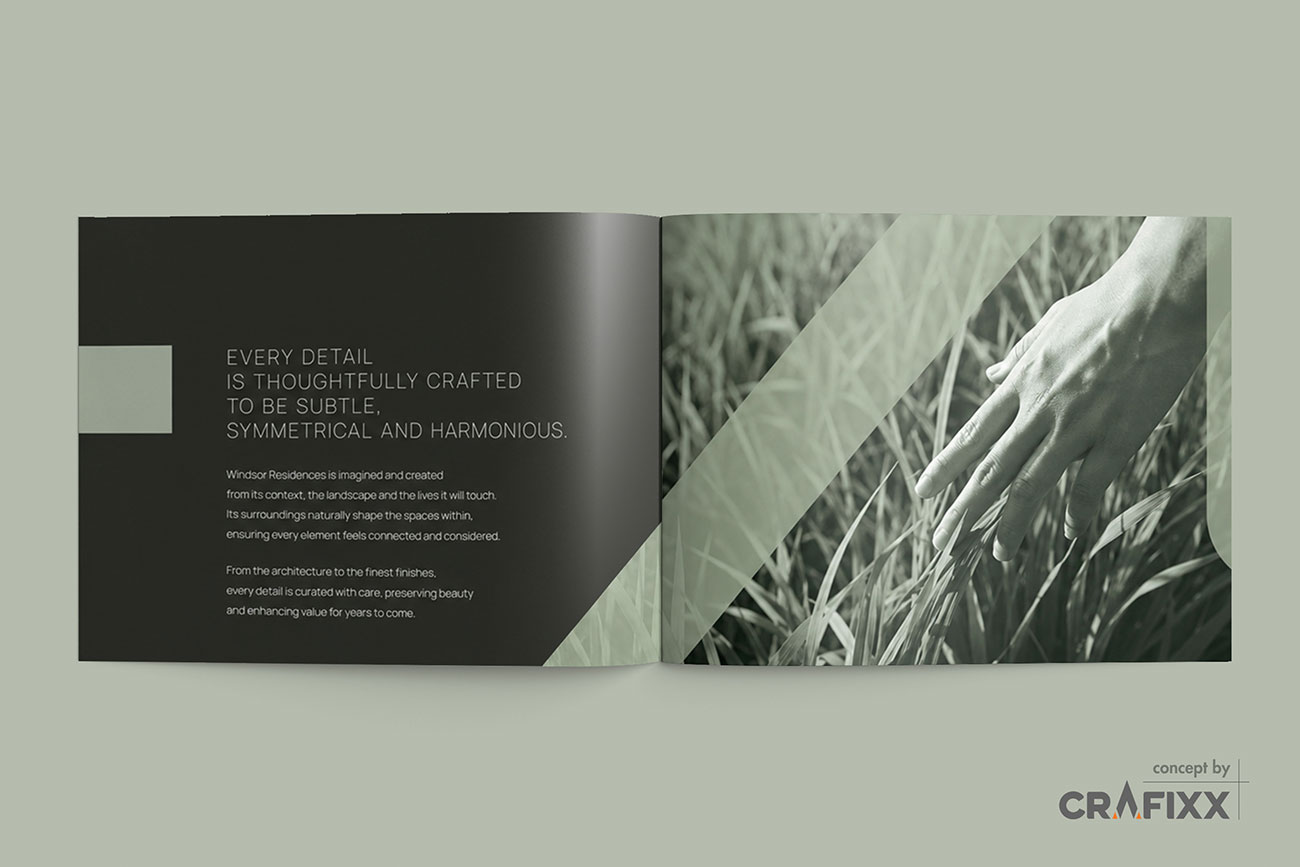
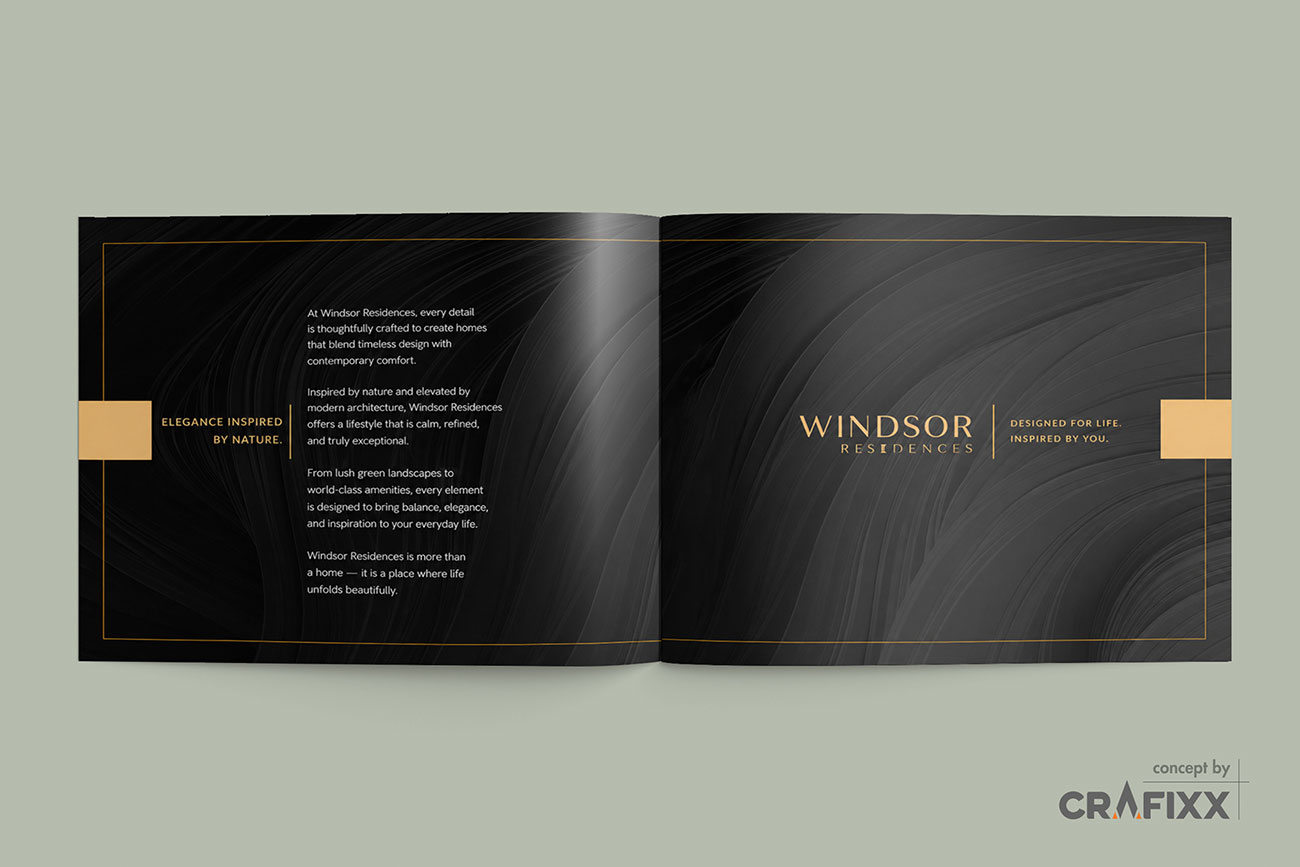
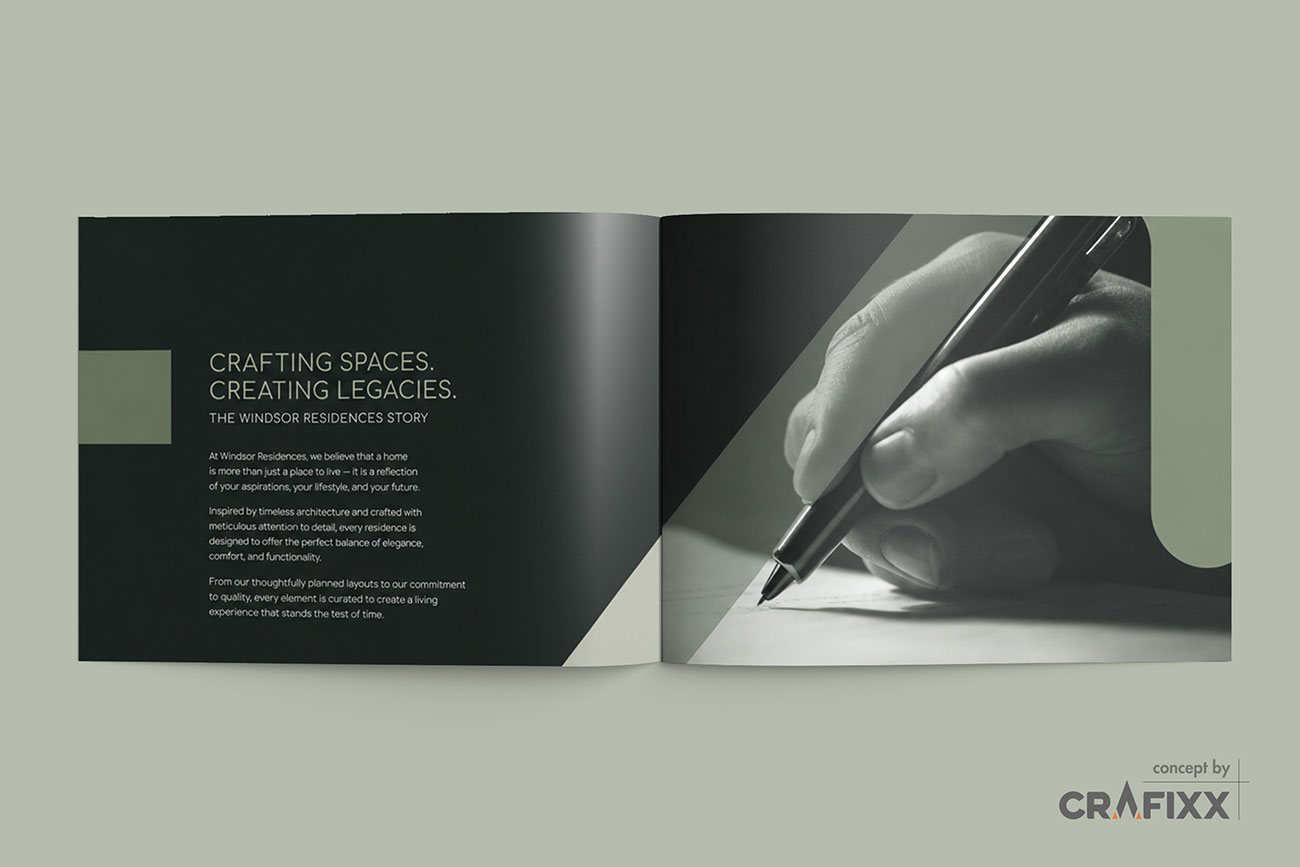
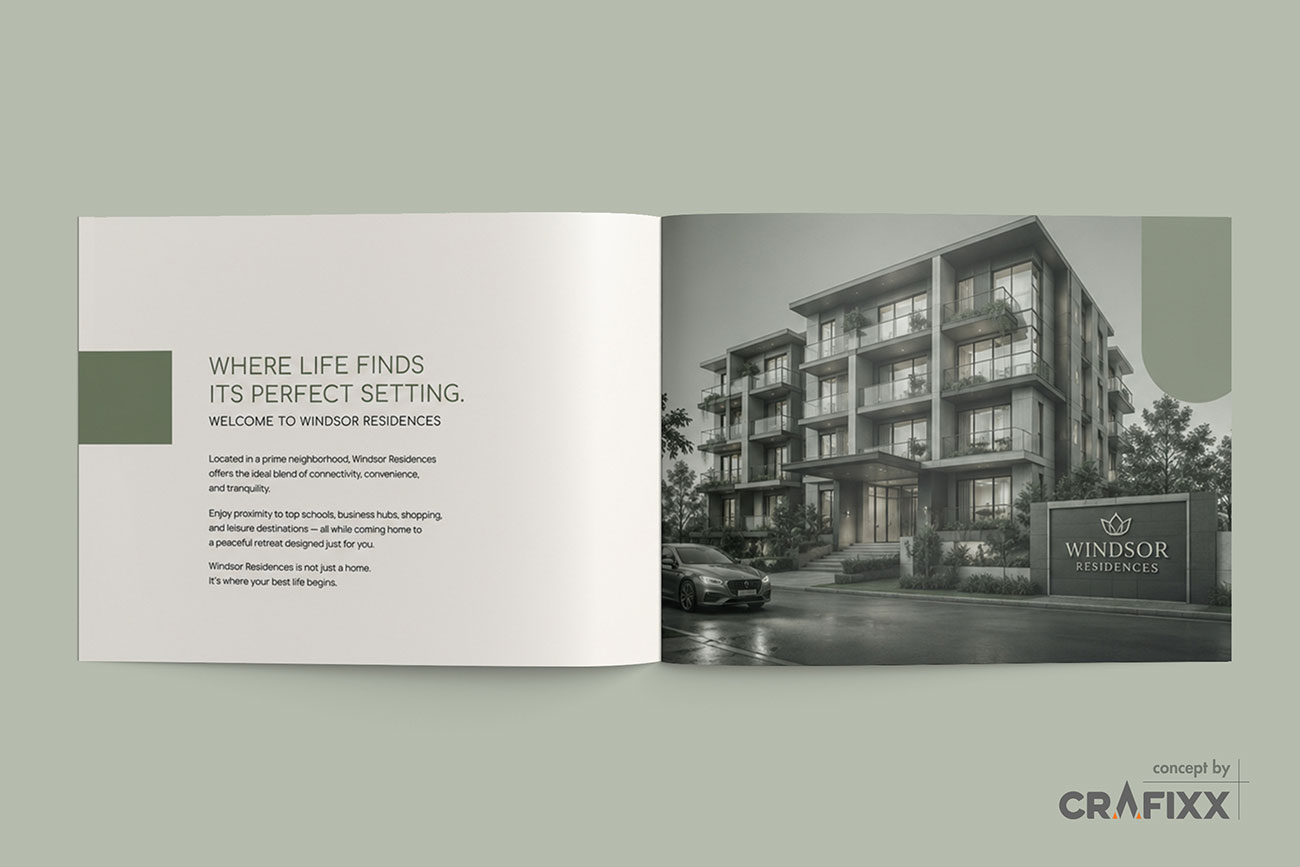
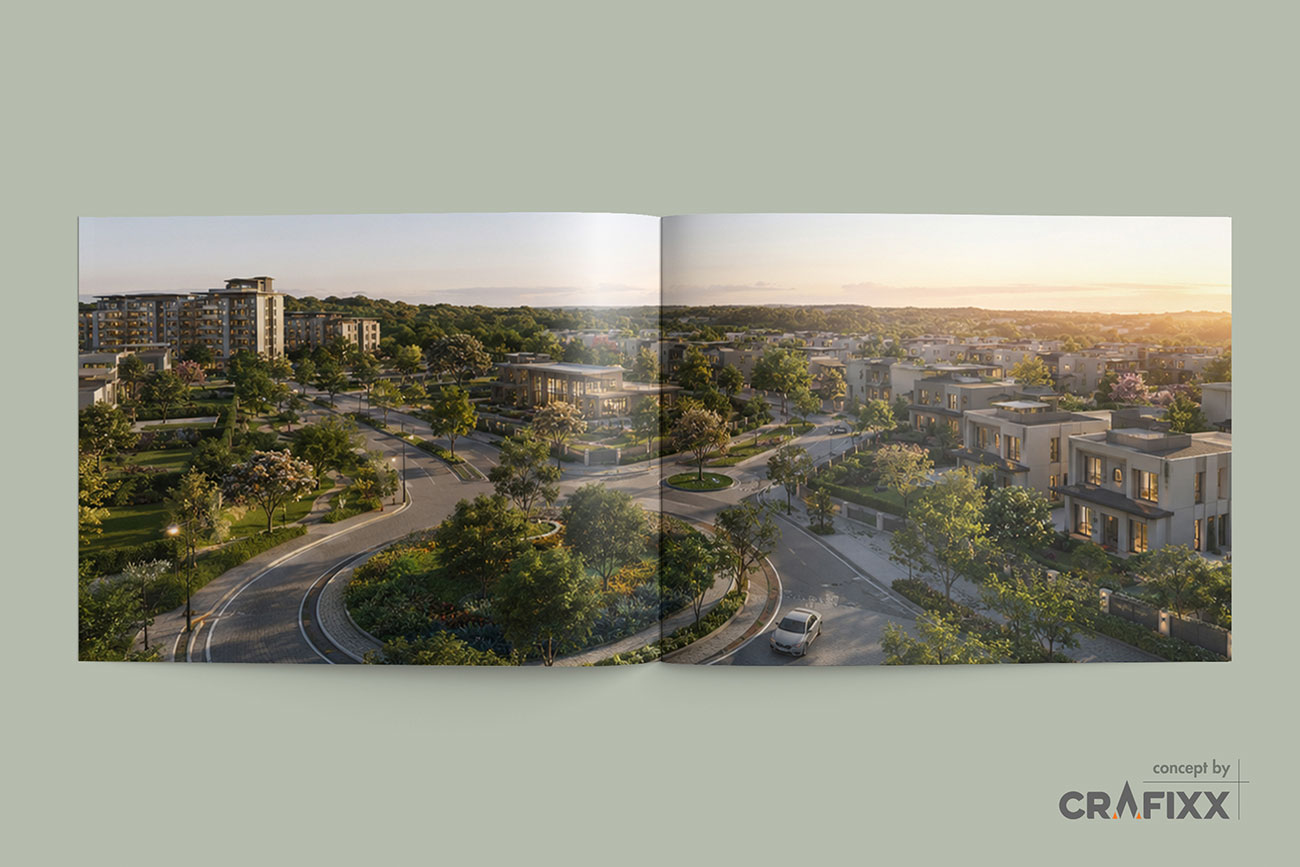
brochure design company Dubai clients range from consultancies in DIFC to real estate developments in Dubai South, with trifold service brochures and project handoutsafixx portfolio covers the formats, industries, and multi-language standards the UAE market demands.
What Is Brochure Design
What Is Brochure Design? What UAE Businesses Need Before Going to Print
Brochure design is the structured visual communication of a business, service, product, or event across a folded or bound printed format, or its digital equivalent. It encompasses typography, layout, image selection and treatment, colour, hierarchy, language adaptation, and file preparation for output. A brochure is not a poster and it is not a presentation. It is a leave-behind, a hand-delivered sales tool, or a download that carries the full weight of a brand in a compact, structured form.
In the UAE market, brochure design carries specific requirements that do not apply in most other markets. Multi-language output is not optional for businesses operating across the Emirates. Pre-press preparation for local and regional print vendors requires knowledge of specifications that vary between suppliers. Paper stock, finishing options such as spot UV, embossing, and foil, and the relationship between digital and print colour profiles are all factors that affect the final result.
At Crafixx, brochure design begins with a content brief, not a template. We establish the hierarchy of information, the reading sequence, the image strategy, and the language structure before layout begins. The result is a brochure where every decision, from typeface selection to fold direction to script character spacing, has been made deliberately. The files delivered are ready for print without correction: bleed applied, trim marks set, colours converted, fonts embedded, and resolution confirmed. That is what pre-press ready means in practice, and it is what separates a brochure that prints correctly from one that does not.
| Format Guide | Brochure formats and when to use each |
|---|---|
| Bifold | 4 panels, standard corporate brochure, A4 or A5 |
| Trifold | 6 panels, most common format, fits DL envelope |
| Z-Fold | 6 panels, accordion fold, each panel reads independently |
| Gatefold | 6 panels, premium unfolding reveal, product launches |
| Saddle-Stitch | 8–32 pages, catalogues, annual reports, lookbooks |
| Square Format | Equal sides, lifestyle brands, photography-led design |
Crafixx delivers print-ready PDFs with bleed, crop marks, and colour profiles set for UAE print vendors, no back-and-forth with the printer on your side.
A Poorly Designed Brochure Undermines the Business It Represents
A brochure is not a document, it is a guided experience built on seamless storytelling, eye-catching visuals, and persuasive copy. When it fails at hierarchy, language, or print quality, it signals exactly the opposite of what a business intends. A well-designed brochure builds customer awareness and drives action. The three most common failure points in UAE brochure production are structural, not cosmetic.
-
01
No Content Hierarchy
Businesses whose brochure readers scan without acting. Cover, inside spread, back panel each have a single job.
-
02
Cheap Layout, Weak Brand
B2B and real estate brands where first impressions close deals before the meeting begins.
-
03
Second Language as Afterthought
UAE businesses distributing multi-language brochures. Opposite type direction requires a separate layout, not a text swap.
Every brochure tells a story. Make sure yours is the right one.
Run this checklist on your current brochure before your next client sees it
- Bleed applied on all sides (3mm minimum)
- CMYK colour, not RGB from a screen design
- Language versions designed parallel, not reversed
- Images at 300 DPI at print size
- Fonts embedded, not missing at the printer
- Content hierarchy visible before any text is read

Technology Platforms
Formats, Materials & Finishes We Work With
Material and finish choices determine cost, durability, and how the brochure reads in hand. We recommend based on your budget, distribution method, and brand positioning.
Print-Ready Pre-Press
Zero Back-and-Forth With PrintersBest for: Any brochure headed to a UAE print vendor
Crafixx delivers print-ready PDFs with bleed, crop marks, and colour profiles set for UAE print vendors, no back-and-forth with the printer on your side.
Paper Stocks & Finishes
Tactile, Premium FeelBest for: Brands that need the brochure to feel as premium as it looks
Matte, gloss, and premium paper stocks with embossing and foil stamping available for brands that need a tactile finish that matches the brand positioning.
Multi-Language Layout
Parallel Design, Not a MirrorBest for: UAE businesses distributing multi-language brochures
Each language version is built as a parallel design, not a reverse of the primary layout. Typography is reset in script-native OpenType, reading direction is restructured, and image placement is reviewed for the opposite reading direction.
Digital & Interactive Brochures
Email & Web DistributionBest for: Brochures distributed digitally alongside, or instead of, print
Interactive PDF versions are built alongside the print file for email and web distribution, keeping the same design system across both formats.
The Solution - What you get
Everything in One Brochure Project
A complete brochure build, not just the layout. Copywriting alignment, multi-language design, pre-press preparation, and source file handover are included in every project.
-
Content Brief & Messaging Strategy
Key messages, reader profile, format, and language requirements defined before design begins.
-
Layout Architecture
Grid, type hierarchy, and panel or page sequence confirmed before visual design is applied.
-
Design & Art Direction
One primary direction based on the brief and brand guidelines, not speculative options.
-
Parallel Language Design
Both language versions reviewed side by side before client presentation.
-
Revisions Against Brief
Every round reviewed against the agreed content and hierarchy, keeping the project on schedule.
-
Pre-Press File Preparation
Bleed, colour profiles, embedded fonts, resolution, and overprint settings verified before export.
-
Print-Ready + Digital PDF Delivery
Both formats exported and packaged for handover, ready for the printer or for digital distribution.
-
Source File Handover
Full source files delivered with a pre-press checklist accompanying the file package.
Our Process
How a Brochure Project Works at Crafixx
A structured process is what separates a brochure that prints correctly from one that does not. Crafixx follows six phases from brief to delivery, every time, every format.
Before any design begins, we establish exactly what the brochure needs to communicate and in what sequence. We work through the key messages, the reader profile, the format, the language requirements, and the print or digital destination. This brief prevents the most common failure in brochure projects: designing before the content is defined.
We build the structural skeleton of the brochure, the grid, the type hierarchy, the panel or page sequence, and the content zones, before any visual design is applied. This stage confirms that the content fits the format, that the hierarchy is correct, and that all language versions have been planned in parallel from the start.
Visual design is applied to the approved layout architecture: typography, colour, imagery, graphic elements, and brand components. We present one primary design direction, not three speculative options. The direction is based on the brief, the brand guidelines, and the format requirements. Revisions are applied from here until the design is approved.
Once the primary design is approved, each language version is built as a parallel design, not a reverse of the primary layout. Typography is reset in script-native OpenType, reading direction is restructured, image placement is reviewed for the opposite reading direction, and the content is typeset to the approved translated text. All versions are reviewed side by side before client presentation.
Revision rounds are conducted against the original brief. Each round is reviewed against the agreed content and hierarchy, not as a blank canvas for new directions. This keeps projects on schedule and ensures that the final file reflects the approved structure rather than accumulated changes without a clear direction.
Final files are prepared to pre-press specification: bleed applied, colour profiles converted, fonts embedded, resolution confirmed, overprint settings verified. Both print-ready and digital PDF versions are exported. Source files are packaged and delivered. A pre-press checklist accompanies the file package.
Before any design begins, we establish exactly what the brochure needs to communicate and in what sequence. We work through the key messages, the reader profile, the format, the language requirements, and the print or digital destination. This brief prevents the most common failure in brochure projects: designing before the content is defined.
We build the structural skeleton of the brochure, the grid, the type hierarchy, the panel or page sequence, and the content zones, before any visual design is applied. This stage confirms that the content fits the format, that the hierarchy is correct, and that all language versions have been planned in parallel from the start.
Visual design is applied to the approved layout architecture: typography, colour, imagery, graphic elements, and brand components. We present one primary design direction, not three speculative options. The direction is based on the brief, the brand guidelines, and the format requirements. Revisions are applied from here until the design is approved.
Once the primary design is approved, each language version is built as a parallel design, not a reverse of the primary layout. Typography is reset in script-native OpenType, reading direction is restructured, image placement is reviewed for the opposite reading direction, and the content is typeset to the approved translated text. All versions are reviewed side by side before client presentation.
Revision rounds are conducted against the original brief. Each round is reviewed against the agreed content and hierarchy, not as a blank canvas for new directions. This keeps projects on schedule and ensures that the final file reflects the approved structure rather than accumulated changes without a clear direction.
Final files are prepared to pre-press specification: bleed applied, colour profiles converted, fonts embedded, resolution confirmed, overprint settings verified. Both print-ready and digital PDF versions are exported. Source files are packaged and delivered. A pre-press checklist accompanies the file package.